The Factory Farming Index: revealing the global impact on animals, people and the planet
Report
A first-of-its-kind global study examines industrial animal agriculture in 151 countries, exposing the staggering scale of animal suffering, human health risks and environmental damage.
Factory farming is a well-known driver of animal suffering, environmental damage and human health risks – but until now, the global scale of these impacts has never been fully quantified.
World Animal Protection’s new Factory Farming Index (FFI) is the first comprehensive study to do exactly that, analyzing the welfare, health and environmental impacts of industrial animal agriculture across 151 countries.
Key findings
Staggering global production:
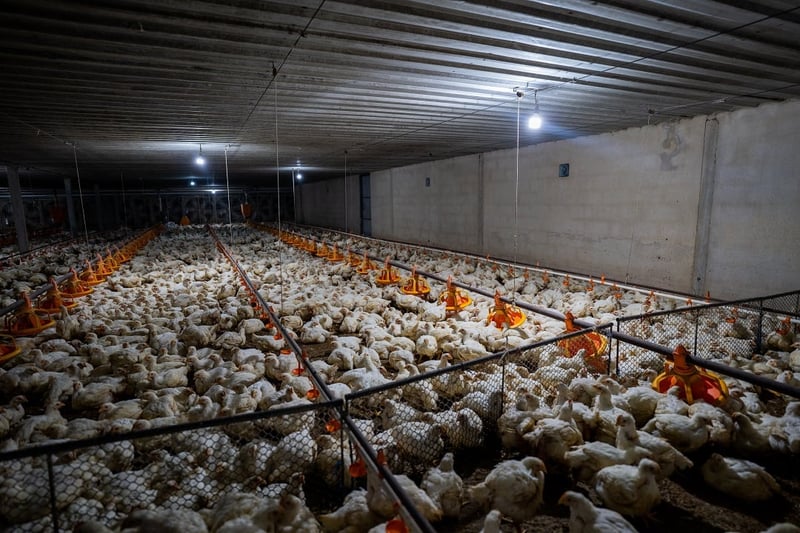
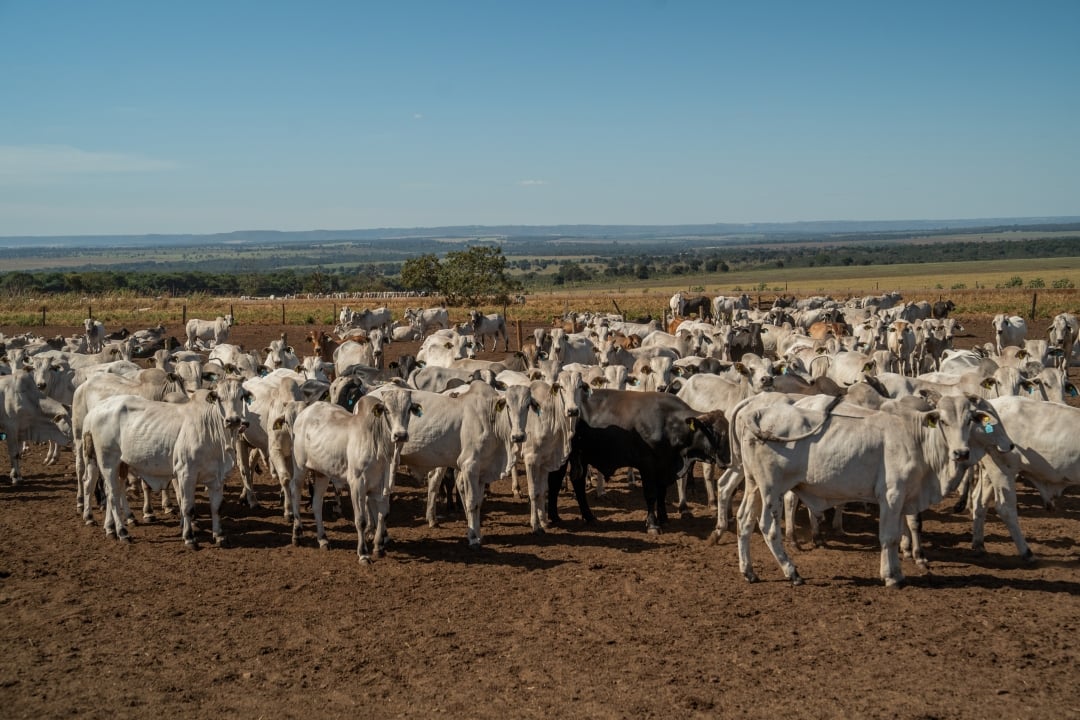
- In 2020, 76 billion animals were raised in intensive systems worldwide.
- 46% of chickens, pigs and cows come from just four countries: China, Brazil, the USA and Indonesia.
- Globally, an average of 10 factory-farmed animals are raised and slaughtered per person each year.
Canada’s ranking:
- 21st globally in production, alongside countries like the UK, France and Spain.
- 16th in per-capita consumption, reflecting the impact of imports and average dietary choices.
- With a population of ~41 million, it is estimated that Canadians consume 21 animals per person annually – more than double the global average.
Animal welfare impacts of factory farming
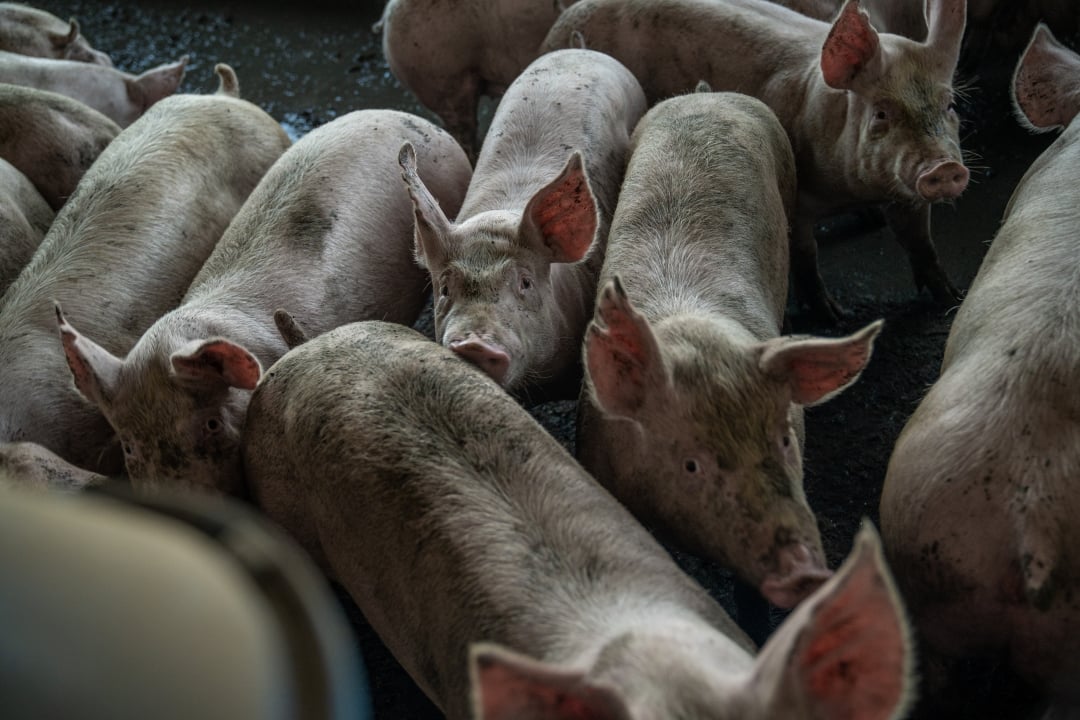
Animals live just a fraction of their natural lifespan, in barren, crowded conditions, with minimal opportunity to engage in normal behaviours like socializing, nurturing their young or exploring their environment.
Human health impacts of factory farming
The FFI calculates that factory farming of chickens, pigs and cows contributes to 1.8 years of healthy life to be lost per person on average globally. The main contributors of this are:
- Antibiotic resistance due to heavy use of antibiotics in farming
- Respiratory diseases, especially in people living or working near these facilities
- Diet-related illnesses from excess meat consumption, particularly red and processed meat, which is linked to colorectal cancer, heart disease, type 2 diabetes, stroke and kidney disease
Environmental impacts of factory farming
Factory farming is a major driver of climate and ecological harm:
- The global agrifood system contributes roughly 29.7% of total greenhouse gas emissions
- Accounts for ~25% of all human-caused water pollution, primarily from nitrogen and phosphorus runoff
- Uses 14% of all human freshwater withdrawals (~530 trillion liters each year)
- Requires cropland roughly the size of India (350 million hectares), mostly to grow animal feed
The path forward
While improving animal welfare standards can strengthen a country’s FFI score, the only lasting solution lies in transforming food systems. This means:
- Shifting towards plant-based diets
- Supporting small-scale producers who prioritize care for animals and the land
- Ensuring any remaining animal farming meets the highest standards for welfare, environmental protection and human health
The Factory Farming Index shines a light on the urgent need to rethink how we produce and consume food – for animals, people and the planet.
Read the Canadian report Read the full report
Banner photo: Haig / World Animal Protection / We Animals Media