Rescue, rehabilitation and permanent care each protect animals from harm and support their wellbeing. Learn what each type of care involves, when it's needed and how decisions are made.
Every year, animals worldwide are rescued from situations where they are injured, sick, abandoned or exploited. But safety is just the beginning; what happens next depends entirely on their individual needs and what will give them the best chance at a safe and healthy future.
While some animals may recover and eventually return to the wild, others may need ongoing care and protection. Learning the difference between rescue, rehabilitation and permanent care can help you understand the different ways animals are supported after being saved from harmful situations.
Understanding animal care
Animal care does not follow a single path. What an animal needs can depend on their:
- age
- health
- behaviour
- past experiences
- environment they came from
- and many other factors.
For some animals, care may be temporary and focused on helping them regain their strength and independence. For others, their needs may change over time and require a different kind of support. Looking at rescue, rehabilitation and permanent care separately helps explain how each approach supports animals at different points in their lives.
Rescue: Getting animals to safety
Rescue begins with identifying an animal who is in a situation where they may be at risk of harm. This can mean locating an animal who is injured, abandoned, neglected, trapped, exploited or living in unsafe conditions.
Before an animal can be moved, rescuers must evaluate the situation to ensure the safety of both the animal and the team. This assessment typically includes:
- Assessing the animals’ immediate physical needs.
- Identifying possible dangers or risks in the area.
- Determining the most humane way to reach and secure the animal.
Once it is safe to do so, the animal is carefully removed and transported to a place where their needs can be assessed and appropriate care can begin. Every rescue is different, but the priority is always to reduce the animal’s immediate risk, while handling them as safely and humanely as possible.
Want to see this in action? Learn how rescues unfold in real life through our favourite rescue stories.
Rehabilitation: Helping animals get back to the wild
Rehabilitation begins once an animal is safe and their needs have been assessed. The goal is to help them recover from the physical and emotional effects of injury, illness, neglect or other harmful experiences to ensure a safe return to their home habitat.
Depending on the individual, rehabilitation may involve:
- Veterinary treatment and monitoring.
- Nutritious food, rest and a low-stress environment to regain strength.
- Time to learn or relearn natural skills, such as finding food, avoiding threats or interacting appropriately with others of their species.
Rehabilitation is focused on preparing them for a return to their natural habitat when it is safe and appropriate to do so. This process can take days, months or even longer, depending on the animal’s condition and individual needs.
Witness rehabilitation in action through Jono’s journey to safety.
Permanent care: Providing a safe, lifelong home
For some animals, returning to the wild and living independently is not possible. They may have lasting injuries or health conditions that require human intervention, been born or raised in captivity, or other reasons they cannot safely cope on their own.
In these cases, permanent care provides a safe and stable environment where they can live for the rest of their lives.
This involves meeting their ongoing needs, including:
- Consistent veterinary support and nutrition.
- Safe, appropriate shelter.
- Opportunities to express natural behaviours and stay mentally engaged.
Permanent care is not simply about keeping an animal safe. It is about providing the quality of life, dignity and protection they deserve over the long term.
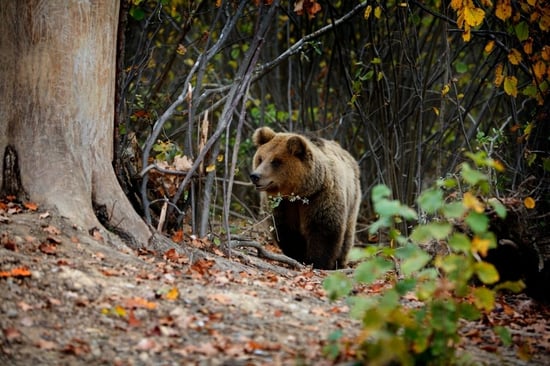
Experience permanent care in action through the bears at LIBEARTY Sanctuary.
Putting animal welfare first
Animal welfare is about more than keeping an animal alive or treating an injury. It also considers what makes a good life and a life worth living. This includes how an animal experiences their environment and whether their physical and behavioural needs are being met, such as:
- Having enough space to move freely with appropriate shelter and temperatures.
- Opportunities to forage, explore and interact with others of their species when social contact is important.
- Care teams watching for signs of fear, anxiety, boredom or frustration, such as repetitive behaviours, withdrawal or changes in eating and activity, to inform daily care decisions.
Providing opportunities for animals to make choices and engage in natural behaviours, where possible, can reduce stress and support better welfare over time.
The importance of responsible animal care
Responsible care also means understanding that helping an animal can sometimes create new risks if it is not done properly.
- For wild animals, too much contact with people can cause them to become habituated to humans, making it harder for them to recognizse or avoid potential threats after release.
- Young animals can be particularly vulnerable to habituation, and may begin to associate people with food, safety or social interaction instead of developing the behaviours they need to survive with their own species.
- Feeding wildlife can also create problems by changing natural behaviour or encouraging animals to gather in places where they may be exposed to roads, predators or conflict with people.
For these reasons, well-intentioned interventions should be carefully considered, with professional guidance when an animal genuinely needs help.
Ways to give
Every animal deserves a life worth living. From rescue and rehabilitation to lifelong care, supporting animals means looking at their needs and putting their welfare first. Help create a world where animals are protected from suffering and given the chance to thrive.