PetSmart campaign
The illegal and underregulated legal trade in wildlife harms animals, people and the environment.
The vast majority of these animals, traded through Canada, are for the pet trade. PetSmart, Canada’s largest pet store chain, continues to sell live wild animals — including reptiles and amphibians—supporting an industry that causes widespread suffering and environmental damage. We’re asking PetSmart to step up and stop selling these wild animals.
Canada’s exotic pet trade is bigger than most people realize.
- An estimated 1.4 million wild animals are kept as pets in Canada.
- An average of 122,000 wild animals were imported annually between 2014 and 2019, the vast majority to supply the pet trade.
- More than 340 breeders of non-native reptiles operate in Canada.
While cats and dogs have been domesticated for thousands of years, adapting them to live alongside humans, wild animals are born to be wild. Even when bred in captivity, these animals still retain the same instincts as their wild counterparts. Their needs can’t easily be met in a typical home or pet store enclosure, and these wild animals suffer at every step of their journey.
The wildlife pet trade is a risk for the welfare and health of animals, can result in zoonotic disease transmission, and is a key driver of biodiversity loss globally. As the largest pet store in Canada, PetSmart supports the wildlife trade by selling reptiles and amphibians and other wild animals in their stores.
The harms of the exotic pet trade:
Animal welfare concerns
Many reptiles and amphibians don’t even survive the journey to a home. One study suggests death rates in the pet trade as high as 81% annually, and one court case revealed that a 70% death rate over six weeks was considered “standard practice” by a major U.S. wholesaler.
Whether caught in the wild or bred in captivity, these animals often face:
- Cramped transport conditions
- Small, barren enclosures
- Lack of proper heat, humidity or enrichment
- High mortality
Even if they make it to a home, animals frequently die within their first year due to improper care and their basic needs not being met. Captive breeding can cause genetic defects, improper nutrition can lead to bone disease, and enclosures are frequently undersized and may not even allow animals to completely stretch their body. These unnatural conditions cause untold physical and psychological damage to these animals.
Read more about animal welfare issues for wildlife used as pets.
Zoonotic disease and public health risks
Reptiles and amphibians can carry harmful bacteria, viruses and parasites. These zoonotic diseases can be dangerous to the animals themselves, but also to people and native wildlife. Animals can carry pathogens without appearing to be sick.
Zoonotic outbreaks related to keeping exotic pets in Canada have been reported for decades. Two outbreaks (2019 and 2020) were traced back to the keeping of hedgehogs and snakes, and ten people were hospitalized.
Health agencies, including Health Canada, warn that reptiles and amphibians should not be kept by families with young children, older adults or people with compromised immune systems.
Despite these warnings, reptiles and amphibians continue to be sold in places like PetSmart to anybody who wants them.
Biodiversity loss
Some species sold in stores still come from the wild or require ongoing wild capture to sustain captive breeding. Unfortunately, the demand for these animals as pets contributes to their capture from the wild – both legal and illegal – and declining populations. That means that even when animals are bred in captivity, the pet trade still fuels the demand that encourages capturing animals from the wild.
Read more about Canada’s role in the global wildlife trade.
For example, ball pythons are a commonly kept species of snake and are sold at PetSmart. Ball pythons are protected internationally by the Convention on International Trade in Endangered Species of Wild Fauna and Flora (CITES), and the pet trade is considered a major risk to their wild populations. Without the ability to verify, sellers may falsely claim that snakes are captive bred or sell the offspring of wild-caught ball pythons.
Why PetSmart?
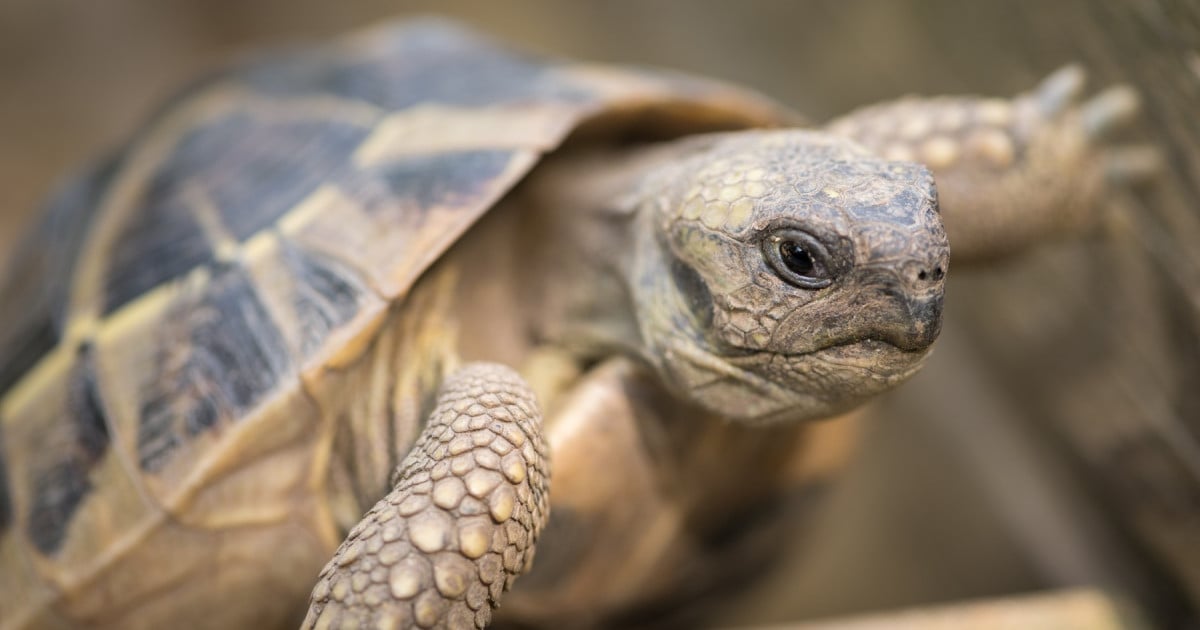
PetSmart is the largest pet store chain in Canada and the only big box store still selling reptiles and amphibians. Although the company has made positive changes – including no longer selling turtles, tortoises, Cuban false chameleons, and more – there is still more work to do.
Humane societies and SPCAs across the country have opposed the keeping of these animals as pets. At the same time, these shelters are overwhelmed by requests or surrenders of wild pets by people who didn’t realize how difficult they are to care for, and they simply don’t have the capacity to care for high-needs amphibians and reptiles while also caring for cats, dogs, rabbits and other domesticated animals.
PetSmart once took a stand by ending dog, cat and rabbit sales, instead supporting animal adoptions. We’re asking them to extend that same compassion to all animals. Shelters are now facing challenges with taking in an increasing number of wildlife kept as pets, the very same animals PetSmart continues to sell and the very same shelters that PetSmart Charities try to help.
By ending the sale of reptiles and amphibians, PetSmart can show real leadership in protecting animals, people, and the planet.
Frequently asked questions:
What is the goal of the campaign?
We are calling on PetSmart to continually make improvements to their supply chain and to stop selling reptiles and amphibians. PetSmart is the only big box store that continues to sell these animals. This causes harm to the animals, the environment, and humans alike.
Is PetSmart the same as PetSmart Charities?
No – PetSmart is the for-profit company that sells animals and associated pet products. PetSmart Charities is a separate charitable organization that provides grants to animal welfare organizations and collaborates with local animal shelters.
PetSmart is responsible for policies around the sale of animals and their products. They also allow use of their stores for adoptions and give customers an opportunity to donate to the charity when they pay for their purchase.
Are reptiles and amphibians wild animals?
Yes. Domestication is a long process of genetic alteration over thousands of years through selective breeding by people for particular ‘desired’ traits. Generally speaking, it involves changes in the animals’ appearance and behaviour.
Animals like cats and dogs have been domesticated for thousands of years and no longer have a place in the wild. Amphibians and reptiles do not have this long history. Even when bred in captivity, they look and act the same as their counterparts in the wild. They retain all their complex social, physical, and behavioural needs, which are adapted to their natural habitats.
Why aren’t reptiles and amphibians suitable pets?
Canadians love animals and many of us share our homes with pets. But there is a big difference between a dog, or a cat and a lizard, tortoise, or frog. Cats and dogs are domesticated animals, meaning they have been selectively bred over many generations and thousands of years for specific traits that make them better suited for living alongside humans. Domesticated animals, with the right care and conditions, can live with humans in captivity without suffering.
Wild animals like amphibians and reptiles have not co-evolved with people and still have all the same needs as their counterparts in the wild. They have specialized needs – like temperature gradients, humidity, environmental complexity and space – that are nearly impossible to provide in a home setting.
In homes, they usually live in tanks or another type of enclosure which restricts their movement and prevents natural behaviours like climbing, hiding, basking and hunting. The lack of space and choice is detrimental to their welfare.
Take ball pythons as an example: these snakes live in a wide range of habitats. During the day they hide in burrows, and at night they leave their shelter to go hunt or find a mate. They are even known to climb trees. In a home environment, ball pythons are often kept in enclosures so small, they can’t even completely stretch out to their full length.
Is there scientific evidence to back this up?
There is a growing body of scientific evidence that the exotic pet trade harms animals, contributes to biodiversity loss, and is a public health risk.
Read more about animal welfare issues for exotic pets and Canada’s role in the global wildlife trade.