The hidden cruelty behind the global wildlife trade
Report
This report looks at a series of case studies as a snapshot of animal welfare issues in the global wildlife trade.
The global commercial wildlife trade, both legal and illegal, is a massive and growing industry that causes immense suffering to billions of wild animals every year.
World Animal Protection’s report ‘The hidden cruelty behind the global wildlife trade’ exposes the welfare issues associated with animals traded for pets, food, fashion, Traditional Asian Medicine and entertainment.
While these case studies represent only a snapshot of the industry, they reveal systemic and widespread harm – including injury, disease, pain, fear and distress.
What the report reveals
Case studies highlighted in the report show the harms that billions of wild animals experience in the commercial wildlife trade, including:
- Poor nutrition – inappropriate or restricted food intake, starvation and severe water deprivation
- Poor environments – thermal extremes (hot and cold), severe restriction and confinement
- Poor health – risk of disease, injury and a slow, inhumane death
- Behavioural issues – stereotypical behaviours, self-injury, attacks and injuries to people
- Negative mental states – pain, exhaustion, sickness, discomfort, fear, hunger, thirst, stress, anxiety, trauma, distress, depression, boredom and frustration
Case studies featured in the report
The pet trade:
- Ball pythons – captured and ranched for the exotic pet trade
- Zebrafish – captive-bred for the exotic pet trade
- African grey parrots – captured and illegally trafficked from the wild for the exotic pet trade
Traditional Asian Medicine:
- Sharks – wild-caught for the shark fin trade
- Pangolins – trapped and killed for traditional medicine
- Asian bears – farmed for their bile
Food:
- Crickets – killed for food and animal feed
- Frogs – wild-caught for the frog leg meat trade
Fashion:
- Crocodiles – farmed for their skins
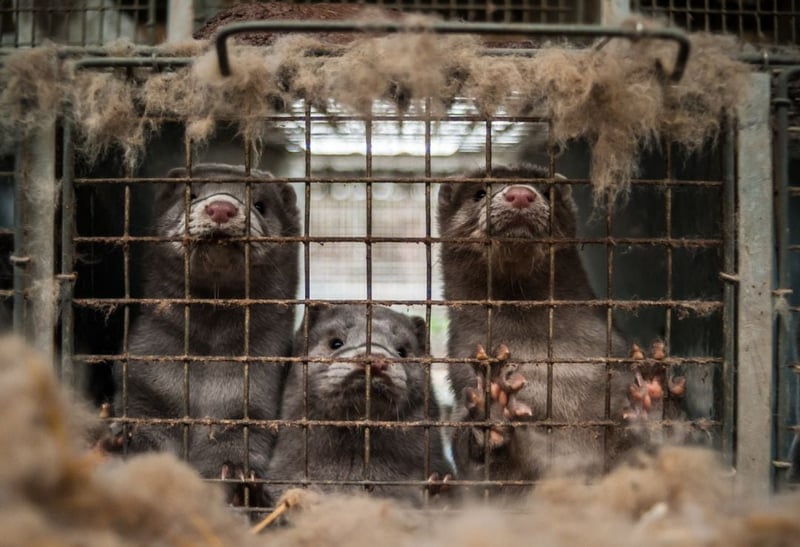
- Mink – farmed for their fur
Entertainment and tourism:
- Lions – farmed for tourist attractions
- Elephants – used for entertainment and tourist experiences
- Dolphins – held captive for tourist attractions in marine parks
Why this matters
Although this report is global in scope, it echoes much of what we already know from previous research on Canada’s role in the global trade in wild animals.
Aligning wild animal protections with global sustainability goals would multiply their impact: reducing animal suffering, protecting biodiversity, reducing public health risks and shifting global markets away from the exploitation of wild animals.
The report encourages governments and policy makers to develop holistic solutions using a One Health approach – which recognizes the interconnections between animals, humans and the environment.
Solutions will need to reduce consumer demand for wildlife products and exploitative wildlife tourism experiences, strengthen laws and law enforcement, replace animals with non-animal alternatives (for example, plant-based alternatives for traditional medicines) and support sustainable alternative livelihoods for those economically dependent on the wildlife trade.
Banner photo: Caged mink on a farm (Nicolai Dybdal / Shutterstock)