Cold-blooded commerce: the impacts of the amphibian and reptile pet trade in North America
Research article
Our report investigates the impacts of the amphibian and reptilian pet trade industry in Canada and the United States.
The trade in wild animals for pets is a well-known driver of biodiversity loss, but it also has hidden costs for the environmental and human health.
Our report, ‘Cold-blooded commerce: A literature review on the impacts of the amphibian and reptile pet trade in North America' investigates some of the hidden impacts of this prolific industry.
What’s the issue?
The global trade in amphibians and reptiles as pets creates complex challenges for ecosystems, conservation, animal welfare and public health.
Considerable research has documented the public health and ecological impacts of this trade, such as the spread of zoonotic diseases, the introduction of invasive species and the overharvesting of wild populations. But we still don’t fully understand the full range of impacts.
This review examines the existing literature on the amphibian and reptile pet trade in the U.S. and Canada, looking at both costs and benefits, including economic and non-economic impacts.
Report findings
Most research on the amphibian and reptile pet trade has focused on its ecological and public health impacts, while economic and animal welfare effects have received much less attention. Although comprehensive analyses are rare, the evidence that is available suggests that when hidden costs are considered, the negative impacts of the trade outweigh any reported benefits.
The report also identifies key knowledge gaps and recommends greater efforts to combine economic, ecological, and public health data, study all stages of the trade and pay more attention to less-studied species. Addressing these gaps is essential for making sustainable and humane decisions about the amphibian and reptile trade in North America and beyond.
Key points:
- The trade harms the animals, the ecosystems they come from, and communities.
- While some people benefit, it drives biodiversity loss, public health risks, and poor animal welfare elsewhere.
- Negative impacts often fall on the least empowered stakeholders.
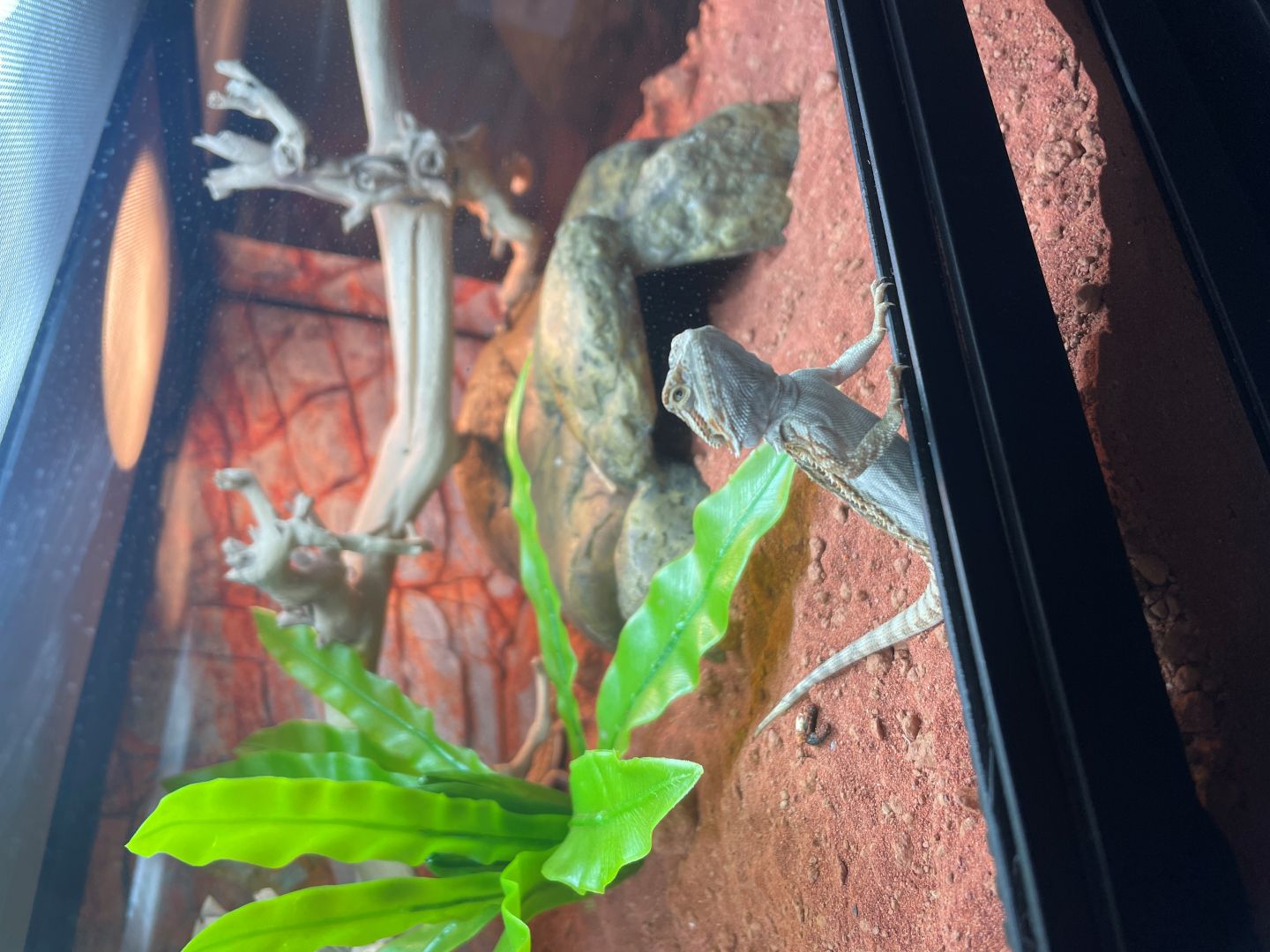 A bearded dragon kept as a pet in a terrarium. (Photo: Sasha Rink / World Animal Protection)