Chinh rescued after 20 years of captive cruelty
News
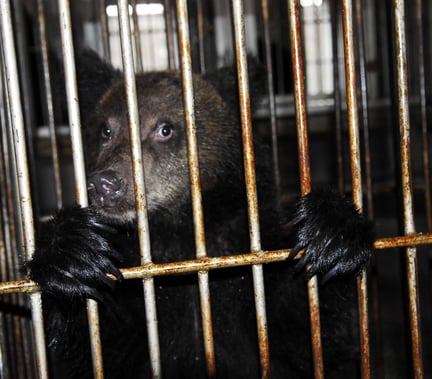
A bear forced to live alone in a small cage for the last 20 years has finally been released to safety.
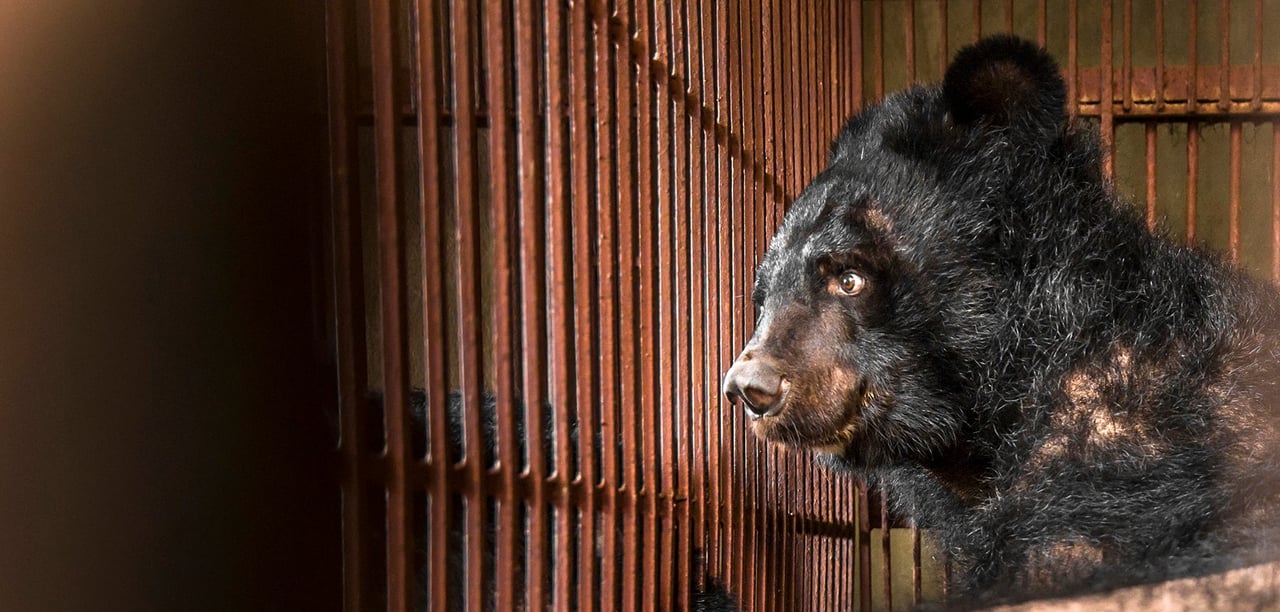
Bear bile farming is the practice of extracting bile from live bears for use in Traditional Asian Medicine. Bears are kept in captivity and repeatedly subjected to painful extraction procedures.
The industry expanded in the 1980s when bile extraction was industrialized and farms spread across several Asian countries.
Despite the availability of herbal and synthetic alternatives, thousands of bears are still kept in captivity for this purpose.
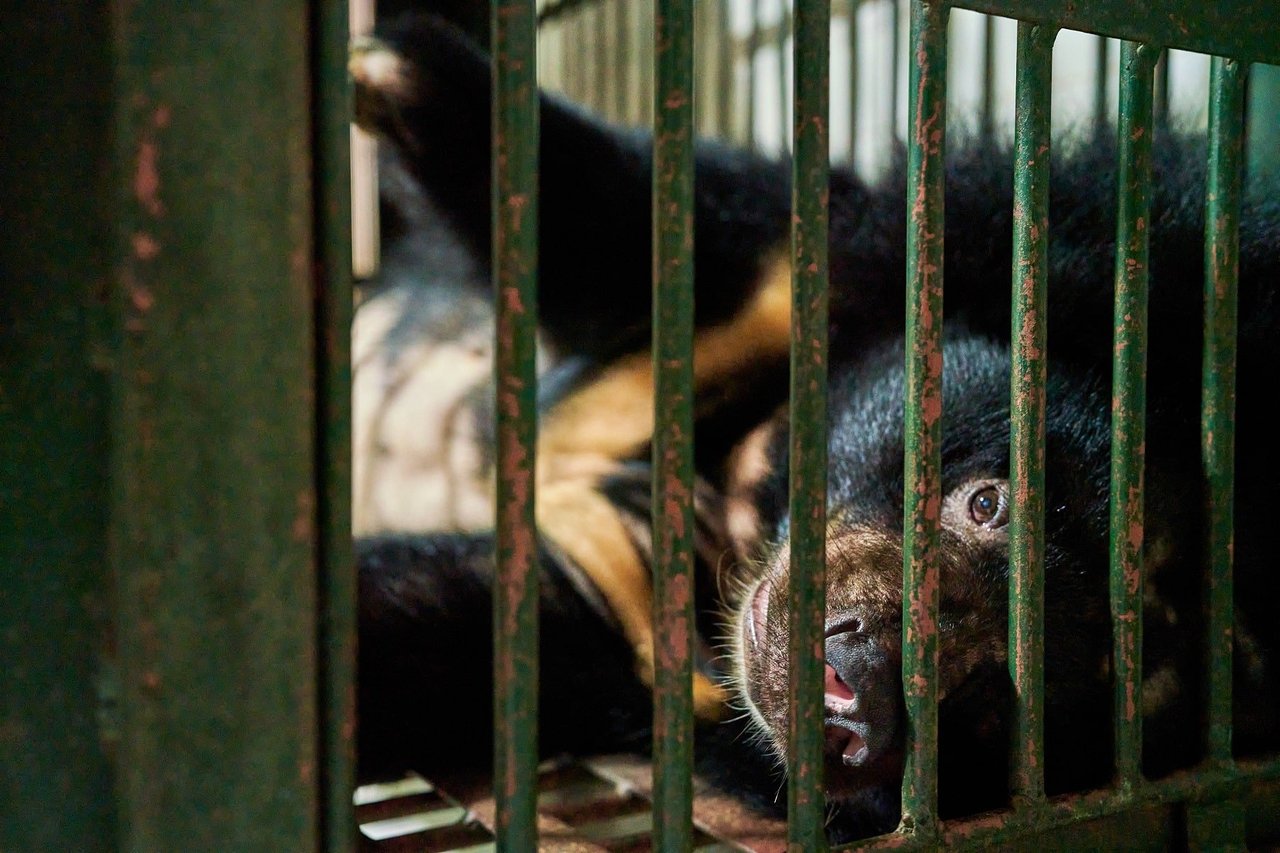
Bears kept on bile farms experience significant physical and psychological suffering.
Many bears spend their entire lives inside small metal cages that severely restrict movement. These cages prevent bears from walking, climbing or engaging in natural behaviours such as foraging or exploring.
Years of confinement can lead to muscle deterioration, deformities and chronic stress.
Several techniques are used to extract bile from bears and these procedures can cause serious health complications.
Common problems include:
In some cases, bile is drained through a permanent opening in the bear’s abdomen, which can lead to long-term pain and illness.
Living in confined conditions without stimulation can cause severe psychological distress.
Bears on bile farms may show behaviours such as:
These behaviours are widely recognized indicators of poor welfare in captive wild animals.
Vietnam:
China:
The bear bile industry, while predominantly active in Asia, has implications worldwide. In countries like Canada, bears are not typically farmed for bile, but the demand for bear bile products can contribute to a global market that impacts bear populations. This global demand can indirectly affect bears in Canada and other countries, either through illegal poaching or the trafficking of bear parts. It's important to recognize that while the practice of bile extraction might not occur locally in Canada, the international trade and demand for bear bile can have far-reaching effects on bear populations globally.
World Animal Protection works with governments, partners and communities to end bear bile farming and protect bears from exploitation.
This work includes:
Supporters have helped achieve important progress, including major reductions in bile farming and commitments to phase out the industry.
News
A bear forced to live alone in a small cage for the last 20 years has finally been released to safety.
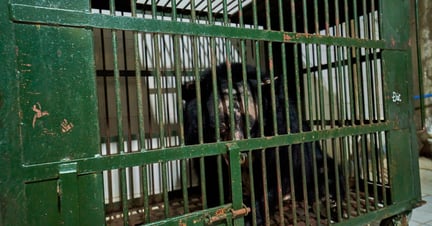
News
After enduring twenty years in captivity, a dedicated team of wildlife experts and local authorities successfully rescued an adult female bear named Na from a bear bile farm.
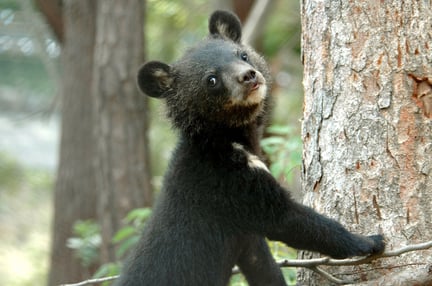
News
We are very close to the final stages of our campaign to end the cruel bear bile industry in South Korea, working in partnership with Green Korea United.
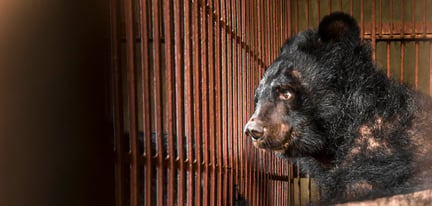
News
We’re a huge step closer to ending the country’s bear bile industry, which involves painfully extracting bile from bears for use in traditional medicine
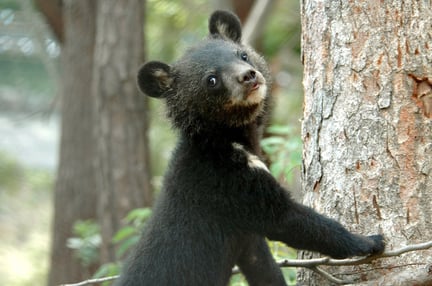
News
How you are phasing out bear bile farming in South Korea
News
Overwhelming support within China to end the bear bile industry
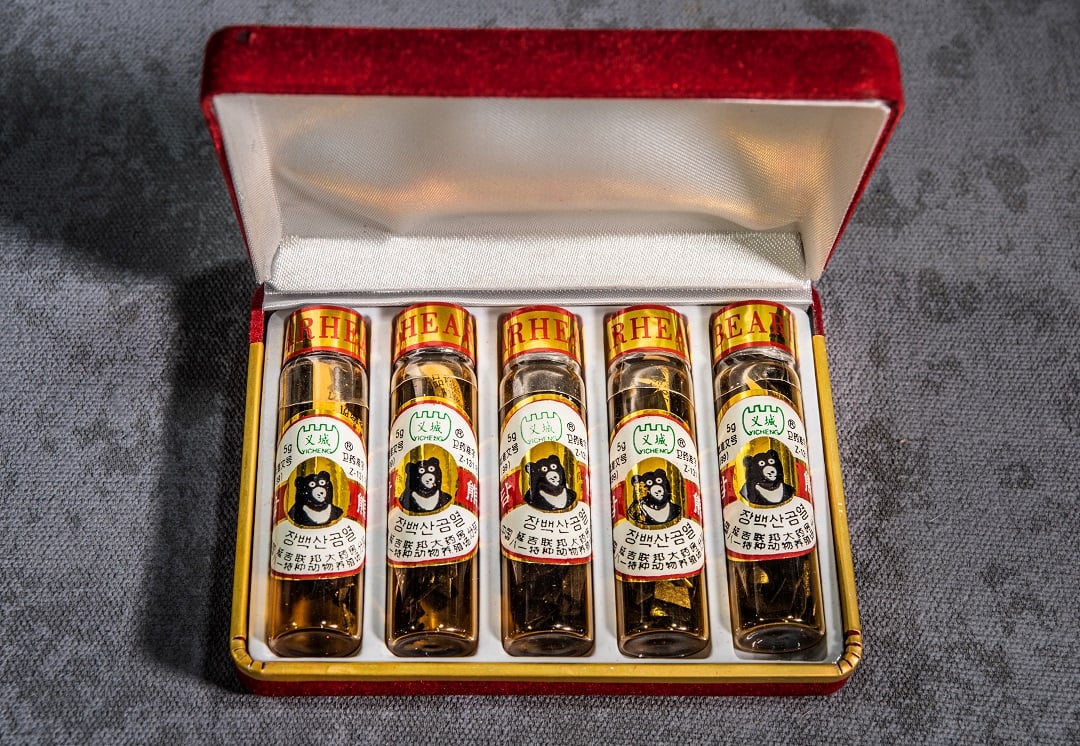
Bear bile has traditionally been used in some forms of Traditional Asian Medicine to treat liver and gallbladder conditions.
Some producers believe bear bile has medicinal properties. However, the active compound can now be produced synthetically.
Laws vary by country. Some nations have banned the practice or are phasing it out, while others still permit it.
Yes. Herbal remedies and synthetic medicines provide the same medical compounds without harming animals.