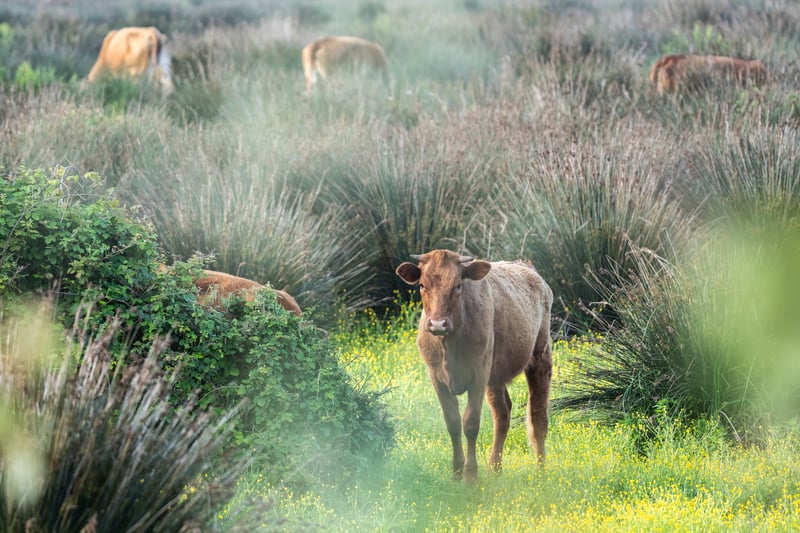
Nature is under pressure, but the way we grow our food can be part of the solution. Regenerative agriculture shows how farming can restore biodiversity, support wildlife and leave the land healthier for future generations.
The way we produce food shapes the future of our planet. For decades, intensive farming practices have contributed to biodiversity loss by degrading soil, destroying wildlife habitats, polluting waterways and depleting ecosystems. As natural landscapes disappear, many species are struggling to survive, while the land itself becomes less resilient to drought, flooding, pests and climate change.
Agriculture, however, does not have to come at the expense of nature. When farms are designed to work with natural systems rather than against them, they can become places where healthy soils, thriving wildlife and food production can exist in harmony with one another. Regenerative agriculture offers a practical pathway to restore ecosystems while producing nutritious food for a growing population.
Intensive versus regenerative farming
The greatest difference between intensive and regenerative agriculture lies in how each approach treats the land.
Intensive farming is designed to maximize production as efficiently as possible. It often relies on monoculture crops, synthetic fertilizers and pesticides, heavy machinery and high-density animal production. While these practices can increase short-term yields, they also weaken the ecological processes that naturally support healthy soils, clean water, pollination and resilient food systems.
Regenerative agriculture takes a long-term view by recognizing that healthy ecosystems are the foundation of productive farms. Instead of continually extracting resources, regenerative farms rebuild them. Practices such as diverse crop rotation, cover cropping, rotational grazing, composting, reduced soil disturbance and natural nutrient cycling, help restore soil fertility, increase water retention, reduce erosion and create habitats for pollinators like butterflies and bumblebees, as well as other local wildlife.
Healthy soils also produce stronger plants, which directly contribute to higher yields that are naturally more resilient to pests and disease, reducing reliance on synthetic chemical inputs. Furthermore, animals raised in well-managed pasture systems benefit from improved welfare, while contributing to the natural cycling of nutrients that supports healthy landscapes.
Rather than trying to control nature, regenerative agriculture works alongside ecological processes, creating farming systems that are more productive, resilient and sustainable over time.
Building a food system that supports nature
Expanding regenerative agriculture requires more than individual farmers changing their practices. Governments, food companies, retailers and consumers all play an important role in creating a food system that rewards environmental stewardship.
Policies that support soil restoration, biodiversity conservation and farmer education can help accelerate implementation. Businesses can strengthen regenerative supply chains by sourcing ingredients from farms using sustainable practices. Consumers also influence the market every day through the products they purchase and the companies they choose to support.
How you can support regenerative farming in Canada
There are several ways you can help create stronger incentives for building farming systems that protect both people and the planet.
1. Support local farmers
Choosing food from local farmers’ markets, community-supported agriculture (CSA) programs and farm-to-table restaurants helps strengthen regional food systems, while supporting producers who often use more diverse environmentally responsible farming practices. Buying locally also helps preserve farmland and strengthens the connections between communities and the landscapes that feed them.
2. Shop with farming practices in mind
Food labels can provide valuable insight into how products are made. Look for certification and claims related to regenerative farming, organic production and high animal welfare standards, such as “Regenerative Organic Certified ®.” Supporting these products encourages more businesses to invest in sustainable farming practices.
3. Grow food and reduce waste to save on costs
You don't need an estate or an expensive garden setup to make a difference. Planting just one or two pots of fresh herbs or green onions on a sunny windowsill cuts down on your grocery bill and connects you directly to how food grows. Combine that with freezing leftovers and planning meals to reduce food waste and you are keeping vital resources out of landfills while keeping money in your pocket.
4. Vote with your grocery cart on a budget
Shifting consumer demand doesn't mean buying the most expensive organic brands. One of the most powerful ways to signal businesses that we want a change is by simply eating more plant-based meals. Swapping out meat for affordable, sustainable staples like lentils, beans or oats even one or two days a week drastically lowers your grocery receipt. This collective drop in industrial meat demand forces grocery stores and food brands to rethink what they stock on their shelves.
5. Advocate for stronger nature protection
Public policy plays a critical role in shaping the future of agriculture. Supporting campaigns that promote regenerative farming, protect wildlife habitats and discourage the expansion of industrial factory farming can help create lasting change. By signing petitions and contacting elected representatives, you can help encourage policies that prioritize healthy ecosystems alongside food production.
The Power of Animals in a resilient food system
The way we produce food shapes the future of our planet. For decades, intensive farming practices have contributed to biodiversity loss by degrading soil, destroying wildlife habitats, polluting waterways and depleting ecosystems. As natural landscapes disappear, many species are struggling to survive, while the land itself becomes less resilient to drought, flooding, pests and climate change.
To truly understand how regenerative agriculture heals the planet, we have to look closely at what industrial farming has taken from animals: their freedom, their natural behaviours and their connection to the land. We also have to expose the detrimental harm this system inflicts on people.
Industrial factory farming views animals as mere production units, confining them indoors and separating them entirely from nature. This exploitative approach to farming is now a serious threat to people, contributing to the climate emergency, health crises and food insecurity. By protecting animals, and ending their suffering, we can create a thriving future for all. This is the Power of Animals.
Regenerative agriculture fundamentally flips this script by fostering harmonious co-existence with nature and ultimately ensuring we live within the planet’s capacity to support life.
When animals are returned to well-managed pastures and allowed to reclaim their natural domains, they are no longer just passive beneficiaries of a better system; they become the active drivers of it.
By simply expressing their natural, instinctual behaviours, they act as ecosystem engineers. Rotational grazing stimulates root growth, animal movement naturally aerates the earth, and their presence returns vital nutrients to the soil in a perfect, closed-loop cycle.
Ultimately, protecting animals from the cruelty of industrial expansion is more than welfare; it is an ecological necessity. By stopping the growth of factory farming, we restore animals to the land, allow them to fulfill their natural roles and welcome them as essential partners to help us heal the planet from the ground up.
Discover how we are fighting to end exploitation and restore our planet through our Power of Animals campaign today.