
Undercover investigation spotlights the plight of parrots
Blog
May 31 marks World Parrot Day, raising awareness about the threats faced by wild and captive parrots. One of their greatest threats? The pet trade.
Parrots are the most traded birds in the world, primarily for the pet trade. While their vibrant colours and high intelligence make them appealing companions, parrots suffer greatly in captivity. Many parrots develop behavioural issues like feather plucking or self-mutilation due to stress and boredom. Their long lifespans often mean they outlive their owners, leading to abandonment or repeated rehoming.
The pet trade fuels both illegal trafficking and the decline of wild parrots, making it one of the biggest threats to their survival.
An undercover investigation by our US office and Strategies for Ethical and Environmental Development (SEED) shows just how much suffering can occur in the pet trade, with footage exposing appalling conditions at US bird mills.
These ‘bird mills’ ship hundreds of thousands of birds to pet stores across the US every year.
Parrot factory farms
Although the bird mills investigated were licensed by the US Department of Agriculture, undercover footage found thousands of birds confined to tiny cages, covered in feces and dust.
Highly inquisitive and social, parrots need environments that allow them to express natural behaviours like foraging, interacting and problem-solving. In bird mills, parrots are held in tiny wire cages, often with a simple wooden perch as their only enrichment.
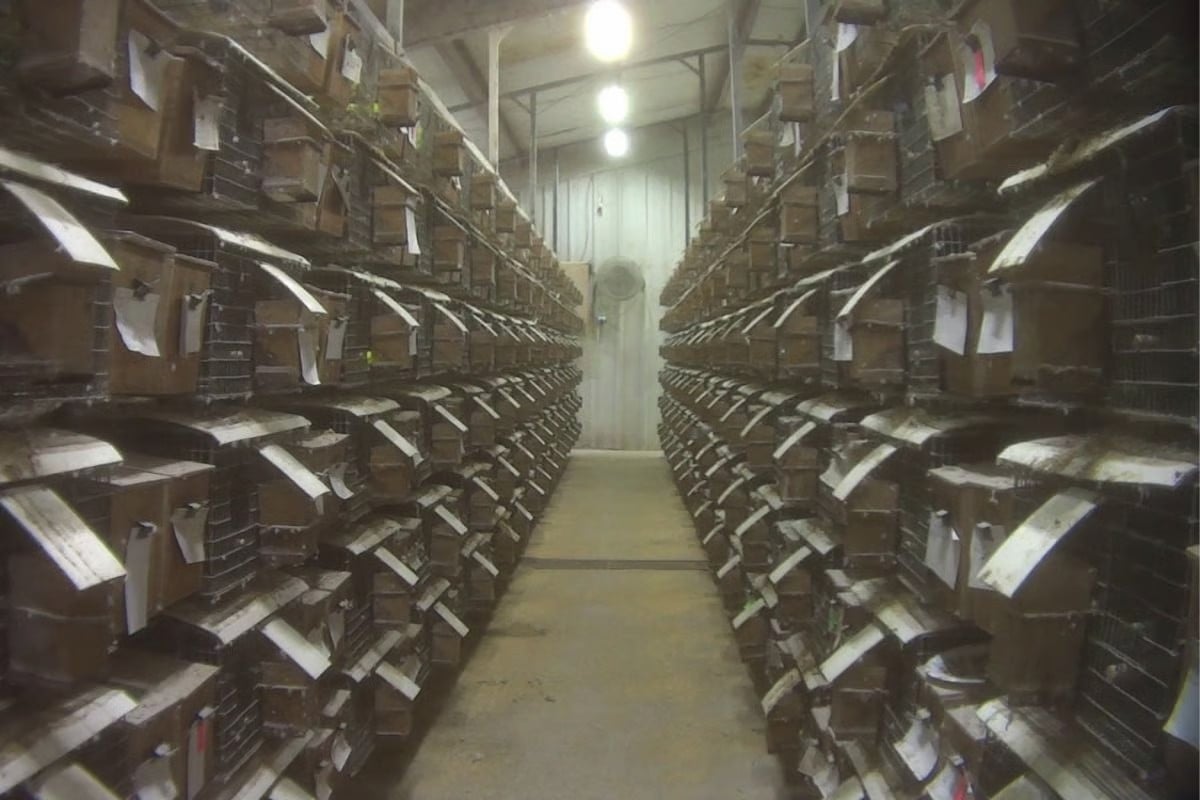
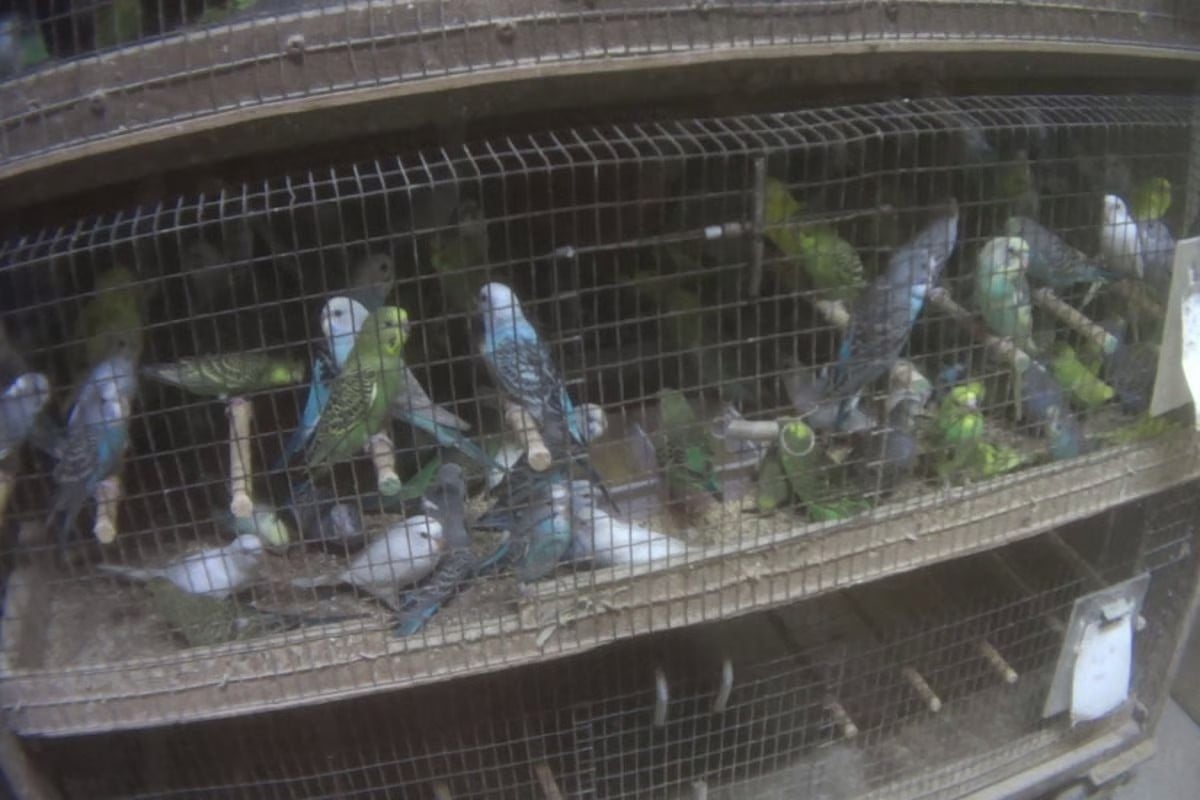
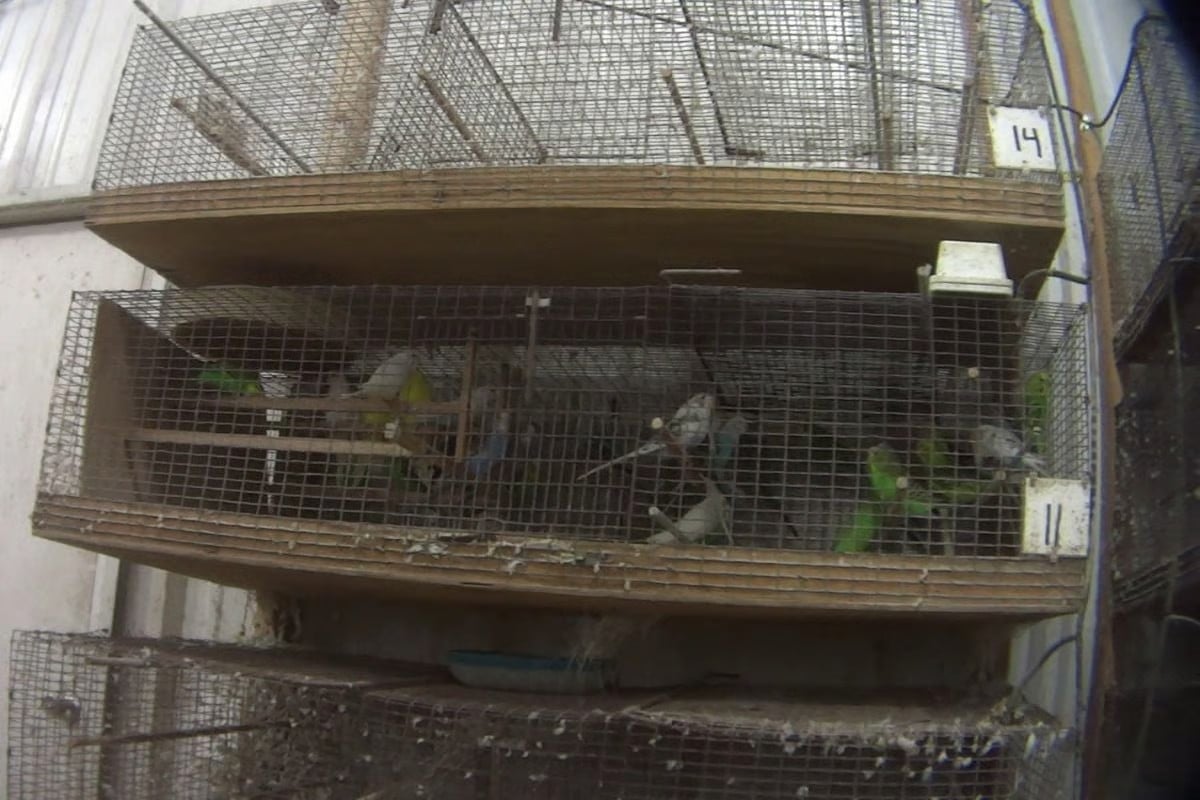
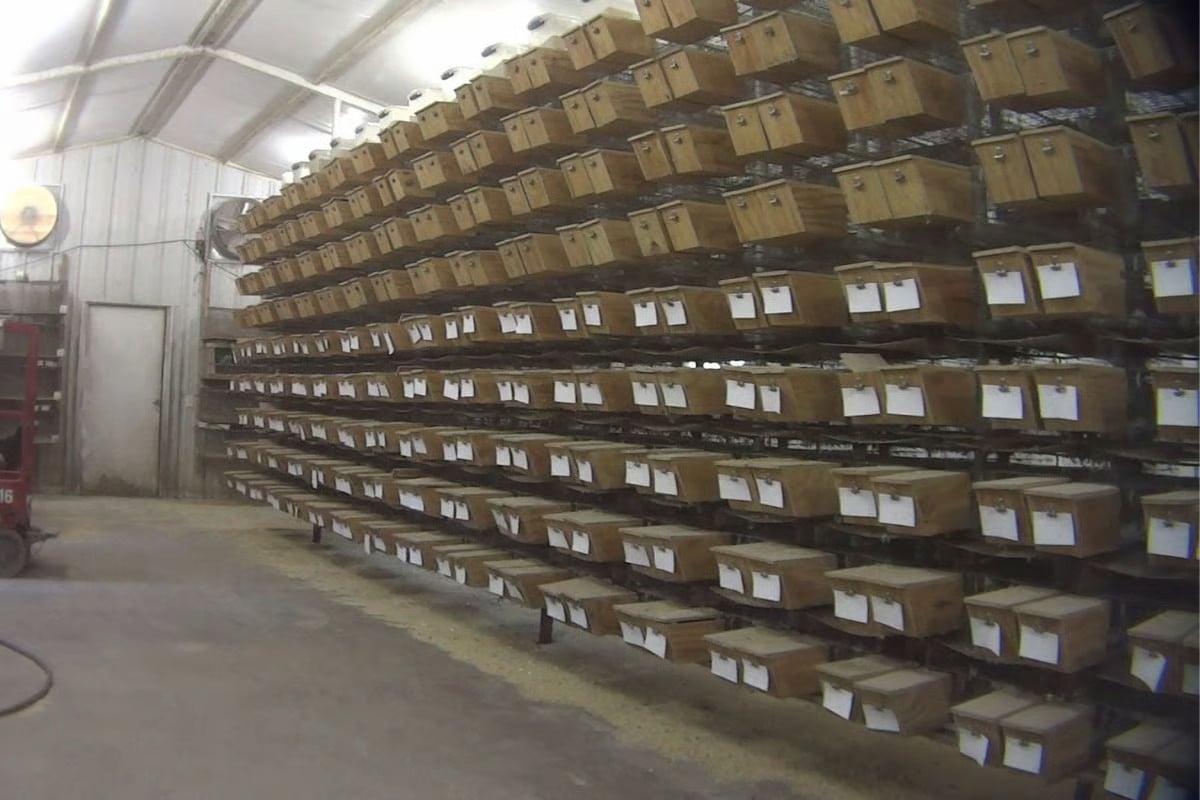
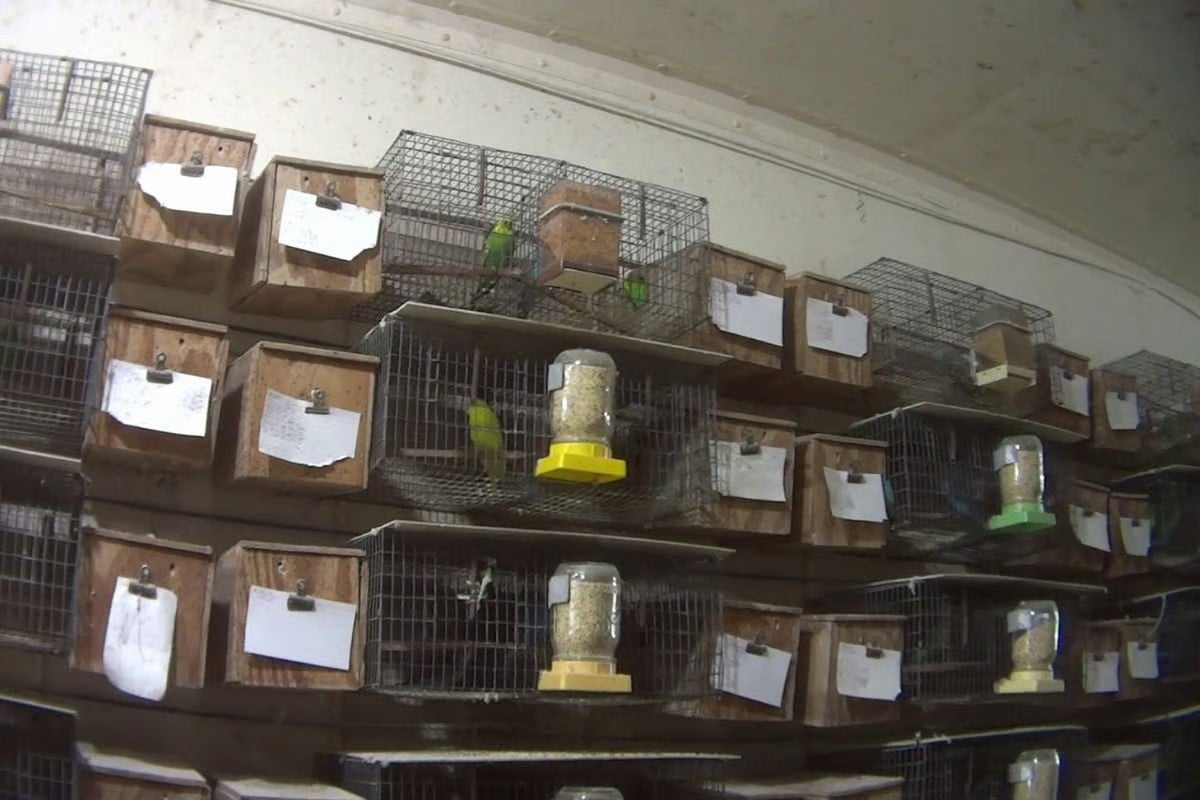
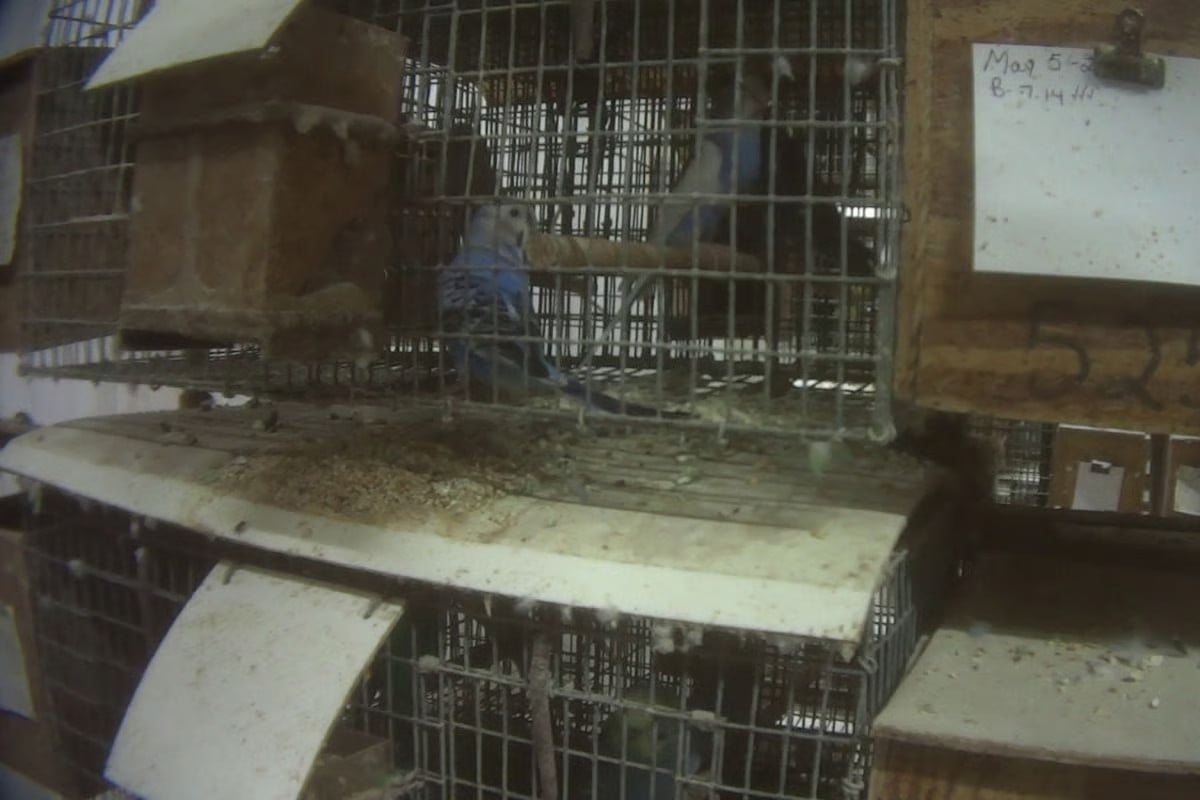
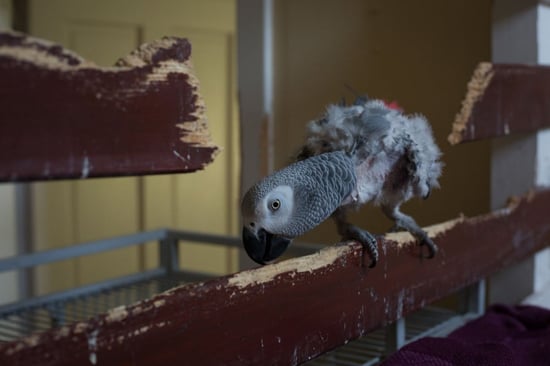
Many of the birds showed significant feather loss – feather plucking is a common form of self-mutilation in captive birds, a sign of severe psychological distress. Many of the cages during the investigation were badly rusted, with no enrichment and in some cases, leaving them completely vulnerable to the elements.
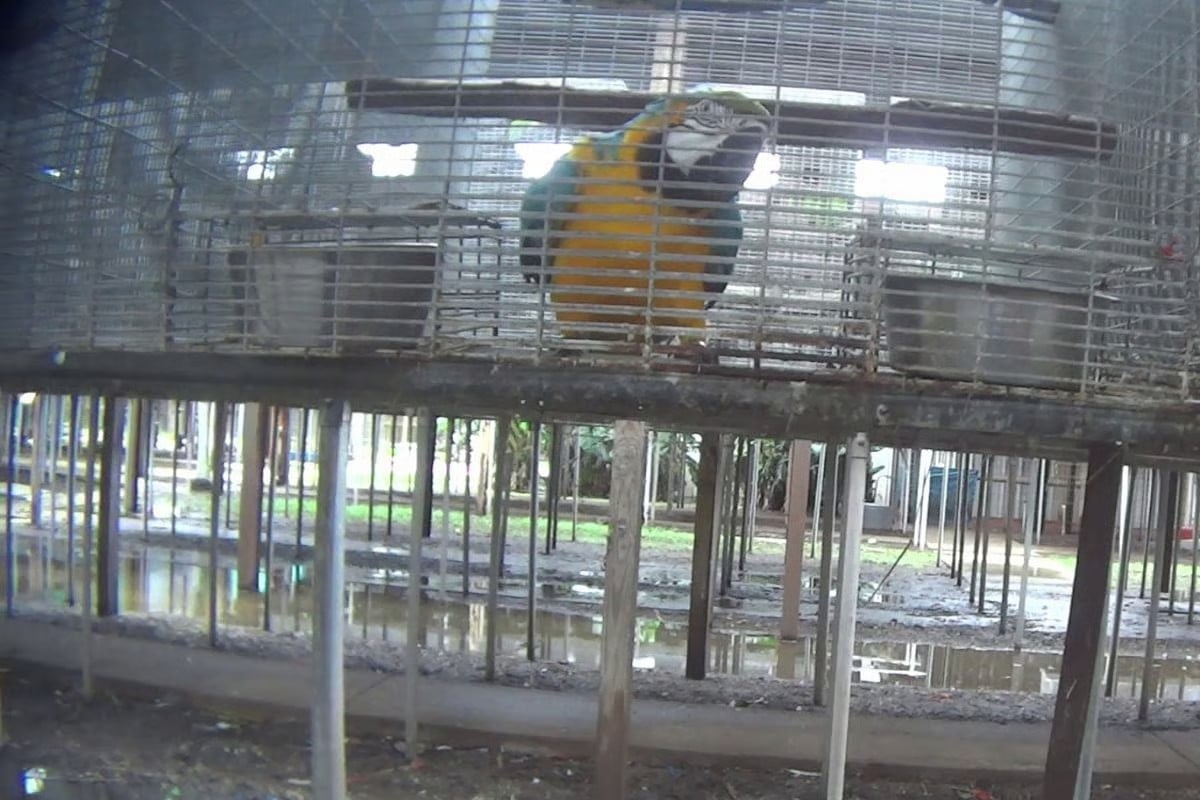
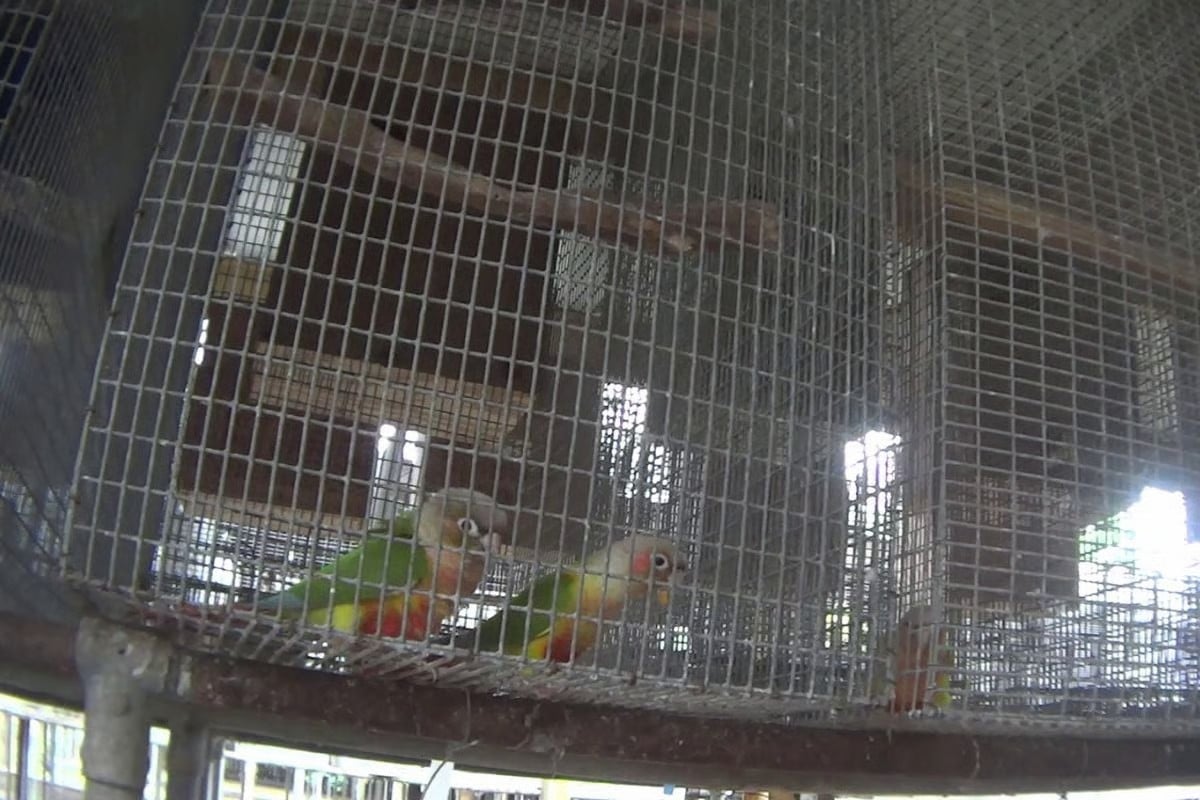
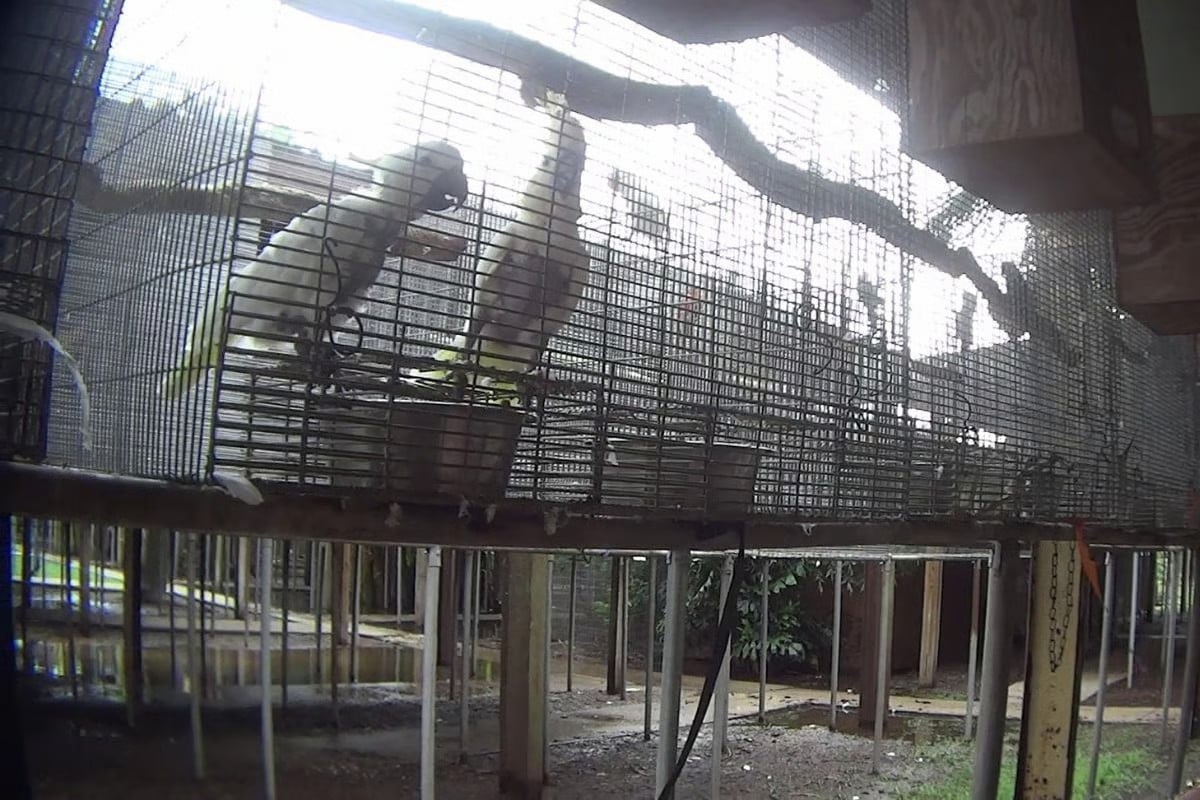
Clear cases of suffering and neglect
At one site, investigators found a garbage can overflowing with dead parrots. The owner admitted to the investigator to killing birds by suffocating them in a plastic bag. He explained that the birds sometimes “pick” at one another, and buyers don’t want “picked” birds.
Nowhere to go – fueling a rescue crisis
As mills flood pet stores with parrots, sanctuaries and rescues are in crisis. Few accredited parrot sanctuaries exist in the US – none in Canada – and most animal shelters and rescues don’t accept birds. Those that do are often overwhelmed with requests from people who want to surrender their parrots.
That’s because birds don’t belong in cages. Parrots are exceptionally social. They’re meant to fly through wide-open skies and roost with large flocks. Isolated and caged in human homes, many parrots develop behaviors like self-mutilation (feather plucking), screaming and biting.
What can you do to help parrots?
The suffering uncovered in this investigation shows why parrots and other wild animals don’t belong in the pet trade. But together, we can help reduce the demand fueling bird mills and wildlife exploitation.
Here’s how you can help:
- Never buy parrots or other wild animals as pets
- Avoid supporting pet stores that sell birds
- Share this investigation to raise awareness about the cruelty behind the pet trade
- Support reputable rescues and sanctuaries caring for surrendered parrots
- Speak up for stronger protections for wild animals
You can also take our Wildlife. Not Pets pledge and commit to keeping wild animals where they belong – in the wild.
Take the pledge
Pledge to never buy a wild animal as a pet
Join thousands of Canadians taking a stand against the exotic pet trade. Sign our pledge and help us protect wildlife by keeping them where they belong. In the wild.