Five tips for how to eat local in Canada
Blog
Eat local, eat kind. Simple ways to support animals, people and the planet.
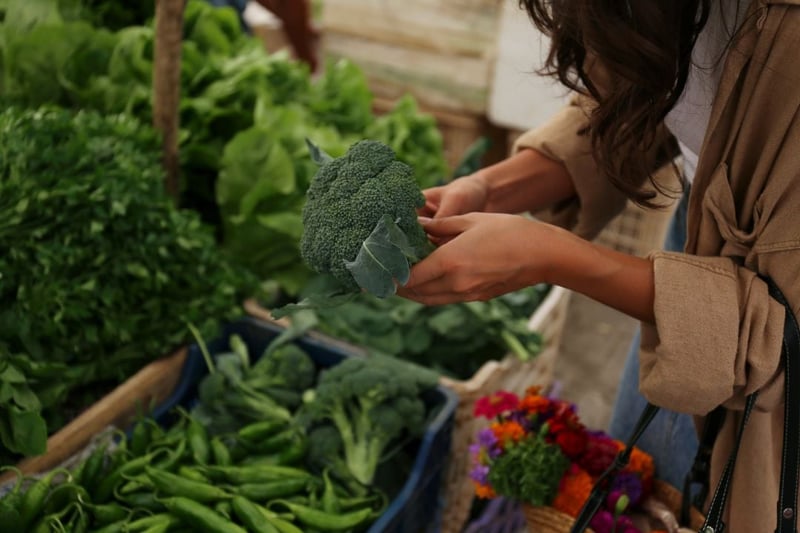
Choosing more plant-based meals is one of the most powerful actions you can take to fight climate change, protect animals and support a more sustainable food system. Another way to make a positive impact is to eat local. By choosing Canadian-grown food, you support farmers, reduce your carbon footprint and enjoy fresher produce no matter the season.
This guide will show you how to eat local in Canada – from seasonal produce to where to shop and how to make the most of your veggies.
Why eat local?
When you choose locally grown fruits and vegetables, you:
- Support Canadian farmers and communities by keeping money in the local economy
- Reduce your carbon footprint by cutting down on long-distance transportation
- Enjoy fresher, tastier produce that’s in season and hasn’t traveled thousands of kilometers
- Help build a kinder food system that works for people, animals and the planet
1. Shop what’s in season
Eating seasonal produce ensures freshness, flavour and lower environmental impact.
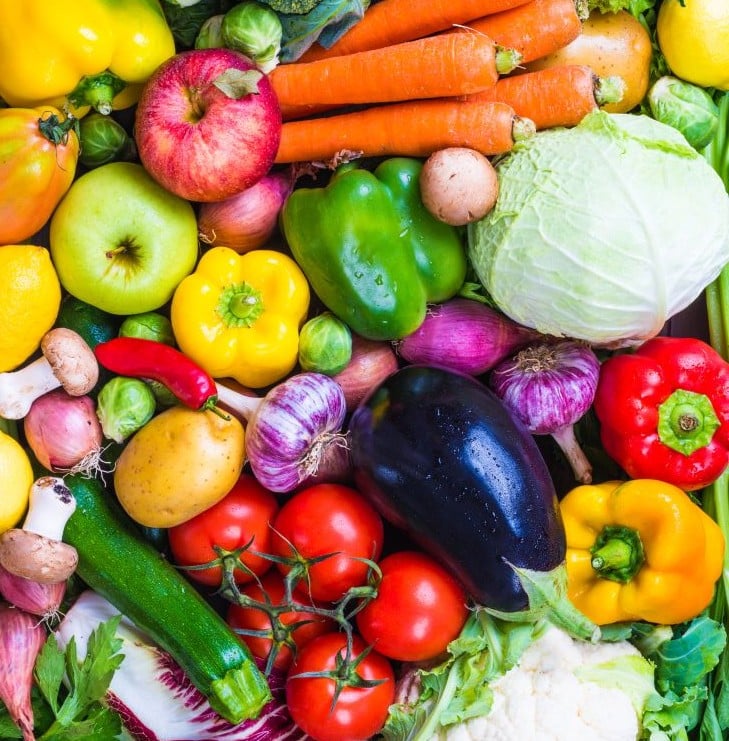
Canada is home to a rich variety of vegetables grown from coast to coast. While exact timing varies slightly by region, here’s a quick seasonal guide of what you’ll typically find throughout the year:
Spring
(April–June)
- Asparagus
- Spinach
- Radishes
- Rhubarb
- Lettuce
Summer
(July-August)
- Tomatoes
- Zucchini
- Peppers
- Corn
- Green beans
- Cucumbers
- Apricots
- Strawberries
Fall
(September–November)
- Squash
- Carrots
- Potatoes
- Cabbage
- Beets
- Cauliflower
- Pears
Winter
(December–March)
- Root vegetables like carrots, beets and turnips
- Cabbage
Year-round
- Apples
- Potatoes
- Sweet potatoes
- Greenhouse peppers, tomatoes and herbs
- Mushroom
Tip: Planning meals around what’s in season helps reduce waste and stretch your budget.
2. Know where to shop local
There are many ways to find local Canadian food:
- Farmer’s markets: Many towns and cities across Canada host seasonal and year-round markets.
- Farm stands & Community Supported Agriculture (CSA) Boxes: Subscribe to weekly veggie boxes or visit roadside farm stalls in your region.
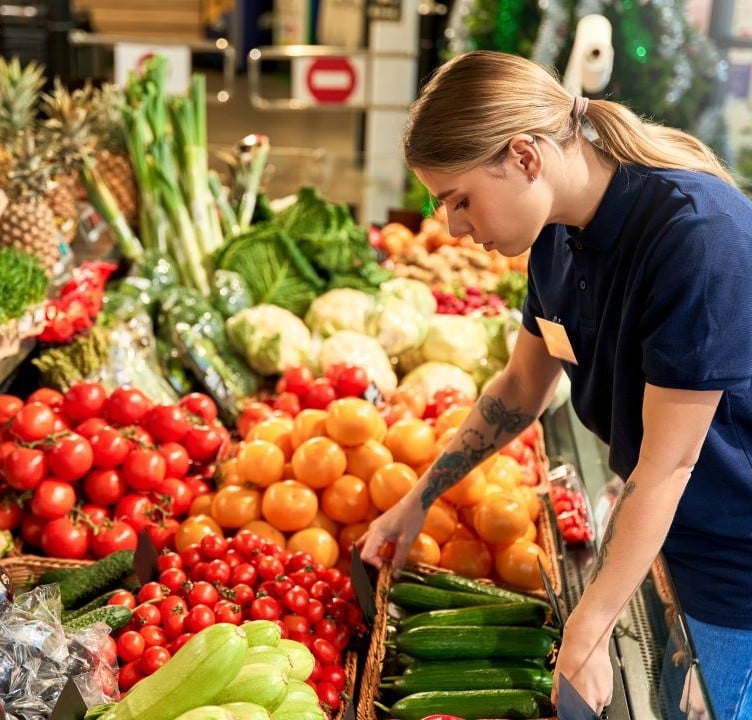
- Grocery stores: Look for labels that say “Product of Canada” or ask staff about local options.
- Online local food maps: Find your province’s farm directory or market locator.
- Example: Local Food Canada is a nationwide directory that helps people search for farms, producers and local food businesses in communities across Canada.
What if local food isn’t easy to find where you live?
Not everyone has easy access to farmers’ markets or fresh, locally grown produce. People living in remote communities or areas with limited grocery options - sometimes called ‘food deserts’ - may have fewer choices available.
If that’s your situation, remember that every small step helps. Choosing plant-based staples like beans, lentils, oats or frozen vegetables, reducing food waste or growing a small herb plant at home can still support a more sustainable food system.
Frozen and canned vegetables can also be nutritious, affordable options when fresh produce isn’t available. In fact, frozen produce is often flash-frozen shortly after harvest, which can help retain nutrients - sometimes even more effectively than fresh produce that has spent time in storage or transit.
3. Making the most of your veggies
A few simple habits can stretch your local food further:
- Plan meals around what’s in season to save money and reduce waste.
- Store veggies properly: Leafy greens last longer with a damp towel and root vegetables store well in cool, dark places.
- Try something new: Ever cooked with kohlrabi or rutabaga? Now’s your chance!
- Preserve the harvest: Learn to pickle, freeze or ferment so you can enjoy local produce year-round.
- Use every part: From broccoli stems to beet greens, many vegetable scraps are edible and nutritious.
Example: For a delicious way to repurpose these often-overlooked parts, try Carleigh Bodrug’s Green Goddess Soup. This creamy, plant-based soup utilizes broccoli stems and other vegetables, turning kitchen scraps into a hearty meal. It's a perfect example of "scrappy cooking" — reducing food waste while creating something flavorful and satisfying.

Carleigh Bodrug’s Green Goddess Soup
Blog
"This green goddess soup is a perfectly balanced meal. It’s full of fiber, healthy fats, vitamins, and other useful macronutrients. It’s filling but not heavy, delicious but not overpowering."
4. Grow something yourself!
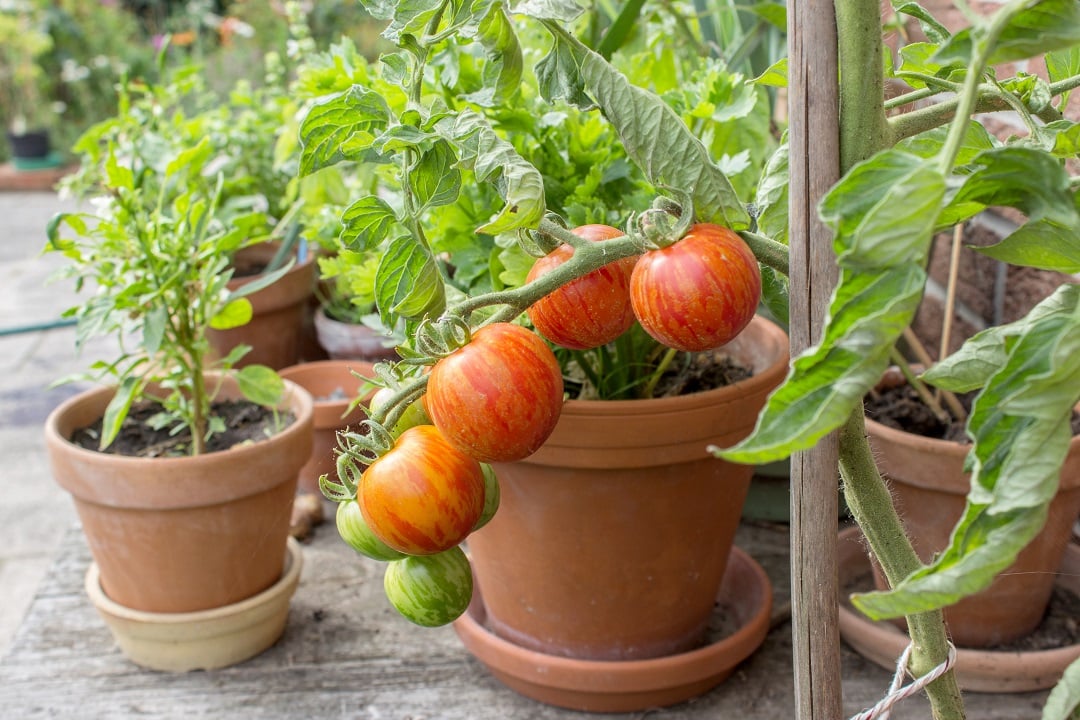
You don’t need a big backyard to enjoy the benefits of homegrown food. A balcony, windowsill or small raised bed is enough to grow herbs, lettuce or even cherry tomatoes. Growing a little of your own food deepens your connection to the seasons, reduces packaging waste and gives you a fresh supply right at home.
Tip: Not sure where to start? Check out Beth’s blog on growing your own veggies for beginner-friendly tips and inspiration.
5. Have a plan
Use your personalized Plan Meatless Better recipes as a base, then build your meals around affordable, homegrown ingredients. Think lentils, oats and seasonal veggies grown right here in Canada.

Thank you for choosing local and eating kind. Together, we’re building a better food system for animals, people and the planet.