Biodiversity may seem like a global issue, but protecting it starts much closer to home. The plants, trees and wildlife in your own backyard can play an important role in supporting healthy ecosystems and creating habitats for local species.
From the bees and insects that pollinate plants and enrich our soil, to the birds that nest in the trees, biodiversity supports the natural environments we rely on every day. Yet, across Canada, many of these species are facing growing pressures as their habitats disappear or become fragmented by urban development, pollution, invasive species and climate change.
Fortunately, protecting biodiversity isn't limited to parks and protected areas. Whether you have a large backyard, are part of a community garden, or simply maintain a few container plants on your balcony, your outdoor space can provide food, shelter and a breeding habitat for wildlife to thrive. Small actions taken close to home can have a meaningful impact when multiplied across thousands of gardens.
Why healthy ecosystems depend on biodiversity
Biodiversity is the variety of all living things including plants, animals, insects, fungi and microorganisms, and the ecosystems they form together. It also includes the genetic diversity within species and the complex relationships that allow nature to thrive. Every species plays a unique role, and together they create balanced, resilient and natural systems that support life on Earth. natural systems that support life on Earth.
Some of the most important functions of biodiversity include:
- Pollination: Bees, butterflies, birds and other pollinators reproduce nearly 90% of flowering plant species and pollinate approximately one-third of the crops grown for food.
- Nutrient cycling: Soil organisms like earthworms, fungi and bacteria break down dead plants and animals, returning nutrients such as carbon and nitrogen to the soil where they can be used to grow new vegetation.
- Soil formation and health: Plant roots stabilize soil, while diverse communities of microorganisms improve soil structure, increase water retention and make nutrients available to plants. Deep-rooted native grasses are especially effective at retaining water, reducing erosion and storing carbon, helping ecosystems become more resilient to drought and climate change.
- Natural pest control: Birds and amphibians help keep herbivorous insects and agricultural pests in balance, reducing the need for chemical pesticides.
- Water purification: Healthy soils naturally filter pollutants, trap sediment and absorb excess nutrients before they reach rivers, lakes and groundwater.
- Carbon storage and climate regulation: Soils, particularly in forest and wetland regions, capture and store carbon dioxide from the atmosphere, helping regulate Earth's natural climate cycles.
- Food webs and ecosystem stability: Biodiversity creates complex food webs that ensure energy and nutrients move through ecosystems. The greater the variety of species, the more resilient an ecosystem is to disease, invasive species and environmental disturbances such as droughts, floods or wildfires.
When biodiversity declines, these natural processes become less effective. Species losses can disrupt food webs, reduce pollination, degrade soil health and make ecosystems less able to recover from environmental change. Protecting biodiversity helps maintain these interconnected systems, ensuring they continue to support both wildlife and human communities.
Supporting biodiversity from your own backyard
Contributing to biodiversity means designing your outdoor space to provide the four essentials that wildlife needs to survive: food, water, shelter and places to reproduce.
1. Plant native species
One of the most effective ways to support biodiversity is by planting species that naturally occur in your region. Unlike many ornamental plants, native flowers provide nectar and pollen that local pollinators can easily access, while native trees and shrubs host spaces for insects, birds and small mammals to live and feed from. Choosing a variety of plants that bloom from spring to fall provides a continuous source of food and habitat throughout the growing season.
2. Support pollinators
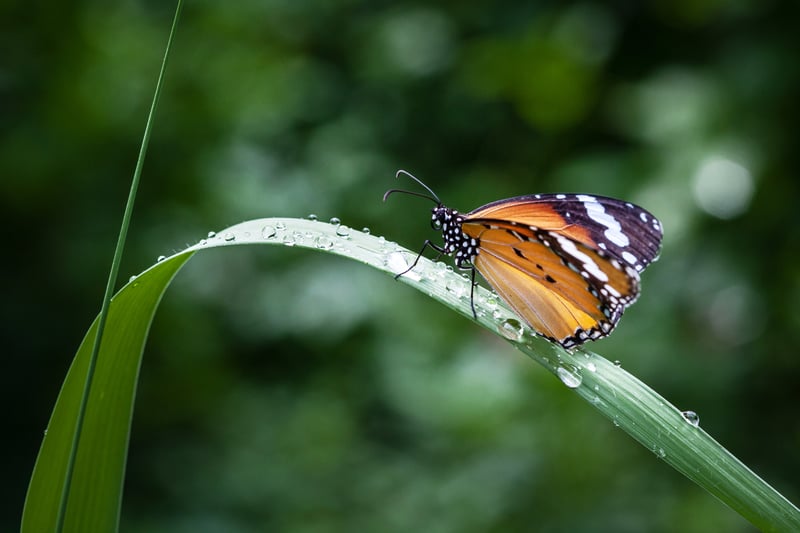
Pollinators are animals such as butterflies, moths, bees, wasps, birds and bats that help flowering plants reproduce by transferring pollen between flowers. Many native pollinator populations are declining due to habitat loss and pesticide use. To promote pollinators in your own garden, grow flowering plants with long-blooming seasons and focus on natural gardening methods, such as using compost, mulching and avoiding chemical pesticides whenever possible.
3. Leave some natural habitat
Not every corner of your yard needs to be perfectly manicured. Many species depend on natural features that are often removed during routine yard maintenance. Delaying the first mow of the season allows early-blooming dandelions to provide an important food source for pollinators, while leaving leaf piles over winter creates valuable hibernation spots for beneficial insects like fireflies. Furthermore, allowing flowering weeds such as milkweed to grow, also provides essential food and shelter for many species.
4. Reduce the size of your lawn
Traditional lawns offer relatively little food or shelter for wildlife, while often requiring significant watering and maintenance. Replacing portions of your lawn with native gardens, flowering groundcovers, shrubs or trees creates far more animal habitats, and it can also improve soil health, reduce water use and increase your yard's resilience during drought. resilience during drought.
5. Build biodiversity from the ground up
Healthy ecosystems start with healthy soil. Beneath every garden lies a diverse community of fungi, bacteria and insects that recycle nutrients, improve soil structure and support plant growth. Using compost from your leftover kitchen scraps, leaving fallen leaves to decompose naturally, conserving water with mulch, avoiding synthetic chemicals and planting a diversity of species all help nurture this hidden ecosystem. It’s also important to be mindful of moving soil between locations or purchasing earthworms, as introducing non-native earthworms can disrupt local soil communities and alter ecological balance.
When thousands of people create wildlife-friendly gardens, their individual efforts become a connected network that helps nature thrive. By supporting biodiversity at home, you're contributing to healthier ecosystems, stronger communities and a more resilient future for both people and the planet.
Join a community of people creating a kinder world for animals and nature. Subscribe to our newsletter to learn more about wildlife, take meaningful action and stay inspired by stories of positive change from across Canada.