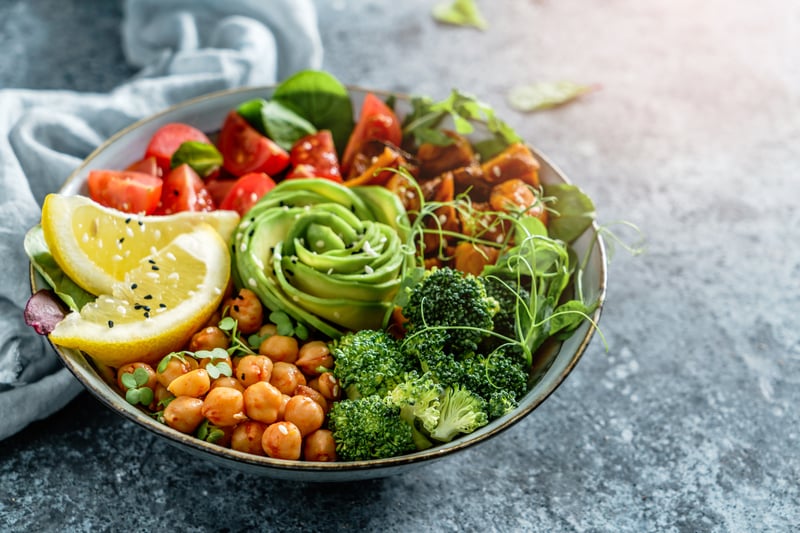
Eating more plant-based doesn’t have to mean changing your diet overnight. Explore simple ways to build flavourful meals and make everyday choices that can help create a kinder food system for animals.
For many people, changing the way they eat can feel like a big commitment, especially when familiar meals, routines and traditions are often built around animal products. But moving towards a more plant-based diet does not have to happen all at once. Whether you are curious about trying new foods, looking to reduce the amount of animal products you eat, or considering a fully plant-based lifestyle, taking small, practical steps helps build new habits that fit seamlessly into your everyday life.
Explore plant-based food groups
A plant-based diet relies on familiar foods, so getting started is as simple as updating your grocery list. You don't need to buy everything at once and you can just pick a few options from each category to try next time you shop:
- Fruits and vegetables: Apples, bananas, berries, leafy greens, carrots, cucumbers, peppers, tomatoes, broccoli and squash.
- Beans and legumes: Black beans, kidney beans, chickpeas, lentils, split peas and mung beans.
- Soy foods: Tofu, tempeh, edamame and miso.
- Whole grains: Oats, brown or wild rice, quinoa and barley.
- Nuts and seeds: Almonds, walnuts, cashews, peanuts, chia seeds, flaxseeds, hemp seeds, sunflower seeds and pumpkin seeds.
- Plant-based alternatives: Oat, nut or soy milk, plant-based butter, cheese, yogurt, and meat alternatives.
Starting with foods you already like can make the transition feel more familiar, while adding one or two new ingredients each time you shop, can help you gradually discover more options.
Add more plants to your plate
When planning your meals, think about building rather than removing. Instead of focusing on what you're leaving out, add a plant-based protein, whole grain, fruit or vegetable to a meal you already enjoy. To help with your daily meal inspiration, here are a few plant-based options to add to your day:
- Breakfast: Oatmeal with berries and almond butter, chickpea and avocado toast, or a black bean breakfast burrito.
- Lunch: Tofu and veggie scramble, or falafel bites over a bed of leafy greens.
- Dinner: Red lentil curry with rice, portobello mushroom tacos, or stuffed peppers with quinoa and grilled veggies.
- Snacks: Apple slices with peanut butter, roasted chickpeas, trail mix with nuts and dried fruit, or hummus with vegetables.
These small additions can gradually shift the balance of your meals without requiring you to give up the foods you already love.
Build flavour with plant-based ingredients
If you're new to plant-based cooking, you may find that some meals taste less rich or satisfying at first. This can happen when animal-based ingredients are removed without replacing the savoury flavours, fats and textures they bring to a dish. Instead, build flavour in layers by using different ingredients and cooking methods:
- Start with aromatics like garlic, ginger, onions, shallots and scallions.
- Add dried spices or fresh herbs, such as smoked paprika, chilli flakes, rosemary and basil.
- Bring in savoury flavours with miso, nutritional yeast, tomato paste, soy sauce and tamari.
- Add richness with tahini, coconut milk, nut butters, avocado, or nuts and seeds.
- Balance the flavours by adding lemon juice, vinegar and pickled vegetables.
- Use high-heat cooking methods, such as roasting, grilling, charring and sautéing.
Combining these elements can help you create plant-based meals that are full of satisfying flavour.
Every meal can make a difference
Choosing more plant-based meals helps reduce the number of animals raised for food. It's a practical way to align your everyday choices with a commitment to reducing suffering. When more people make these changes, we help build a kinder food system.

Get your free grocery shopping guide
You can help farm animals live a better life by making informed decisions at the grocery store.