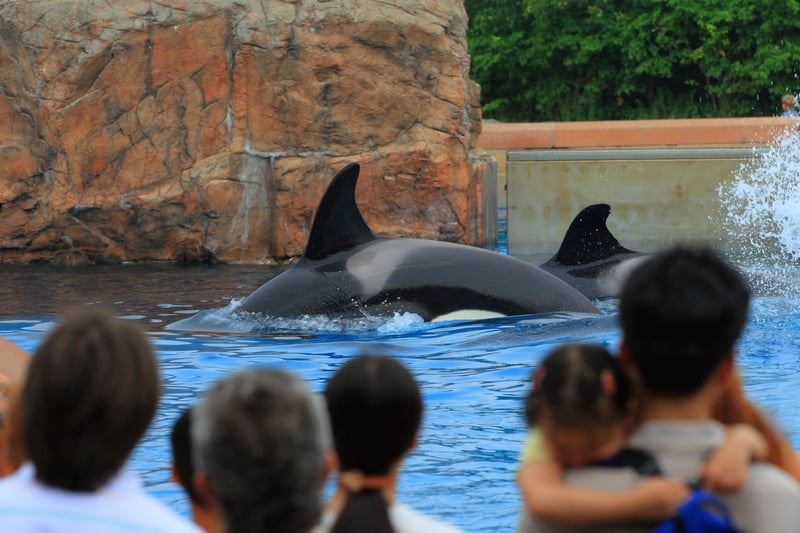
Ever wondered if a wildlife experience is truly helping animals or harming them? Learn the ways you can enjoy meaningful animal encounters while keeping their wellbeing in mind.
Wildlife encounters can be some of the most memorable experiences to have, but the way we interact with animals matters. Ethical wildlife activities allow us to enjoy nature while respecting animals’ wellbeing, habitats and natural behaviors. From observing wildlife in the wild to supporting responsible conservation experiences, thoughtful choices can help protect the animals we’re excited to see. Explore how to enjoy wildlife responsibly and create experiences that are rewarding for both humans and animals.
What makes a wildlife activity ethical?
An ethical wildlife activity puts the wellbeing of animals first. It allows people to observe and appreciate wildlife without causing unnecessary stress, disrupting natural behaviours or contributing to exploitation. But what does that look like in practice?
- Respecting natural behaviour: Ethical experiences allow animals to behave as they would naturally in the wild. Visitors should never be encouraged to chase, touch, feed, corner or otherwise interfere with wildlife simply for a closer encounter or better photo.
- Keeping a safe distance: Responsible wildlife viewing gives animals plenty of space. Reputable organizations or guides follow appropriate distance guidelines and avoid activities that force animals to approach people. The goal is to observe wildlife, not become part of their environment.
- Supporting conservation: A truly responsible wildlife activity contributes to the protection of animals and their habitats. This might include supporting conservation programs, local communities, habitat restoration or research initiatives.
- Choosing responsible operators: The organization running an activity plays an important role. Look for organizations that are transparent about their animal-welfare practices, follow local regulations, employ knowledgeable guides and are willing to explain how their activities minimize their impact on wildlife.
- Leaving wildlife in the wild: Ethical tourism should create opportunities to appreciate animals without turning them into performers or attractions. When an experience respects animals’ freedom and safety, visitors can enjoy a meaningful encounter while helping ensure wildlife can thrive long after the experience ends.
Types of ethical wildlife activities
Ethical wildlife activities can look different depending on the animal, destination and type of experience. From visiting rescued animals to observing wildlife in the wild or contributing to conservation, there are several ways to enjoy wildlife without putting their wellbeing at risk.
Visit responsible wildlife sanctuaries
Wildlife sanctuaries can offer visitors the opportunity to see animals that have been rescued, rehabilitated or are unable to return to the wild, such as:
- Visiting accredited or reputable wildlife sanctuaries
- Learning about rescued animals and their stories
- Taking educational tours led by knowledgeable staff
The animals’ wellbeing should come before the visitor experience. Responsible sanctuaries provide appropriate care and natural, enriching environments while avoiding activities such as unnecessary handling, performances or forced interactions.
Observe wildlife in its natural habitat
Wildlife watching allows you to experience animals in their natural habitats without directly interacting with them. This can include a variety of activities that focus on observation rather than physical contact, like:
- Wildlife watching and guided viewing tours
- Wildlife photography
- Guided nature walks
Visitors should maintain a respectful distance, follow local wildlife guidelines, stay on designated paths or viewing areas and never feed, chase, touch or deliberately attract animals. The goal is to watch wildlife without changing its natural behaviour.
Take part in conservation experiences
Conservation experiences allow travelers to contribute directly to the protection of wildlife and the environments they depend on. These can often include educational and volunteer-based work, like:
- Habitat restoration projects
- Wildlife monitoring and research programs
- Beach, forest or trail cleanups
The activity should provide a genuine benefit to wildlife or local ecosystems rather than simply using “conservation” as a marketing term. Look for organizations that are transparent about where visitor fees and volunteer efforts go, and that work with qualified conservation professionals.
Enjoy wildlife, responsibly
By doing a little research, respecting wildlife boundaries and supporting organizations that put animal welfare and conservation first, you can create meaningful experiences while leaving a positive impact. After all, the best wildlife encounters are the ones that allow animals to remain wild, safe and thriving for generations to come.
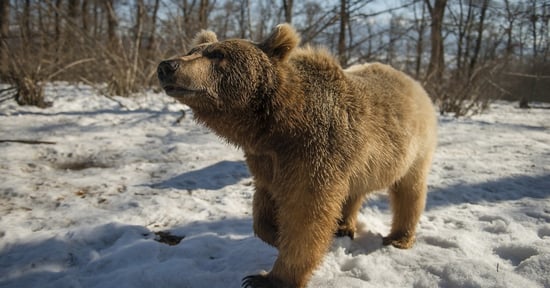
Need help planning your next ethical wildlife experience?
Get your animal-friendly travel guide to make every adventure more responsible.