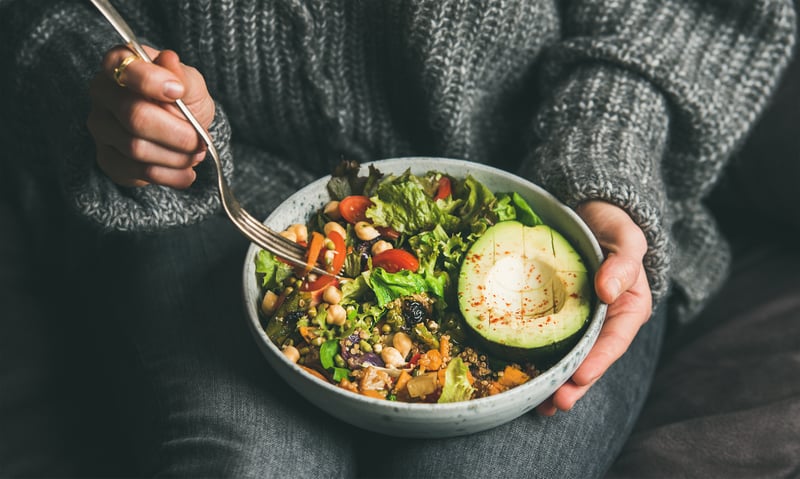
Think you need meat to get enough protein? Discover how plant-based foods can provide all the protein your body needs, while helping you make choices that are better for animals and the planet.
Protein is currently in the spotlight when it comes to nutrition and diet. From social media trends to supermarket shelves, high-protein foods are everywhere, and many people are looking for ways to get more of it into their diets. With all this focus on protein, it can be easy to assume that eating more meat is the answer, but the reality is, that you can rely solely on plants to help meet your protein needs.
What is protein and why do you need it?
Protein is an essential nutrient that your body needs every day to grow, repair and maintain itself. It is made up of smaller building blocks called amino acids, which your body uses to build and repair muscles, bones, skin and other tissues. Protein also helps support your immune system and is involved in producing hormones, enzymes and other substances your body needs to function.
Because your body doesn’t store protein in the same way it stores carbohydrates and fat, getting enough from your diet is important. How much protein you need can vary depending on factors such as your age, body size and activity level.
The difference between animal and plant-based protein sources
You may have heard the term “complete protein” before, especially when talking about plant-based diets. Simply put, a complete protein is a food that contains all nine essential amino acids your body needs to get from food.
Most animal-based foods, including meat, fish, eggs and dairy, contain all nine essential amino acids and are considered complete proteins. Not every individual plant-based protein source contains all nine essential amino acids in the same amounts, which is sometimes used as an argument for why we need animal products to get enough protein.
But the truth is, you don’t need to rely on animal products to get all the essential amino acids your body needs. By including a variety of plant-based protein foods in your meals, you can get all the essential amino acids you need throughout the day.
The best protein-rich plant foods
Several plant-based foods are considered complete proteins, and they’re the best place to start when structuring meals. These include:
- Soy products: tofu, tempeh and edamame beans
- Grains: quinoa, buckwheat and amaranth
- Seeds: hemp, chia and pumpkin seeds
- Other: spirulina, chlorella and nutritional yeast
If you’re wondering how best to combine other plant foods that aren’t complete proteins on their own, you’ll want to pair foods like:
- Lentils and brown rice
- Chickpeas and tahini
- Peanut butter and oats
- Black beans and whole wheat pasta
- Green peas and millet
By adding a variety of these foods to your meals, you can get the protein your body needs without relying on meat. With the right plant-based foods on your plate, getting enough protein can be simple, nutritious and satisfying.
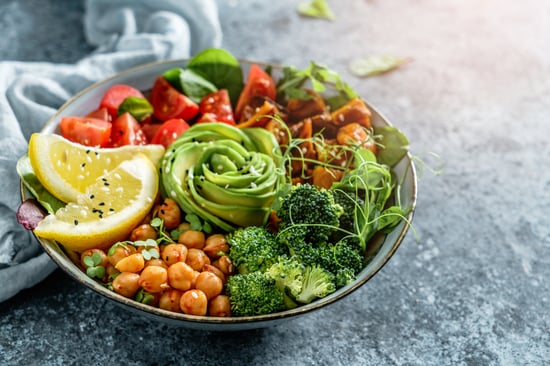
Looking for an easy way to add more plant-based meals to your week?
Try our meal planner for a personalized day of simple, satisfying recipes. It’s an easy way to discover new favourites and make planning delicious plant-based meals stress-free.