
After a week of meetings in Ottawa with policymakers, agricultural leaders and public health organizations, we reflect on Canada’s growing plant-based potential and the challenges that must be addressed to unlock it.
Earlier this month, my colleagues and I travelled to Ottawa for a series of discussions focused on Canada’s growing plant-based potential.
Working alongside the Embassy of Denmark and Danish Plant-Based Diplomacy, we met with Members of Parliament (MPs), policymakers, agricultural stakeholders and public health organizations to explore what a Canadian plant-based strategy could look like and whether Canada is ready for one. These efforts come after Denmark became the first country in the world to introduce a national plant-based action plan that is sector-supported and aims to balance economic growth and sustainability.
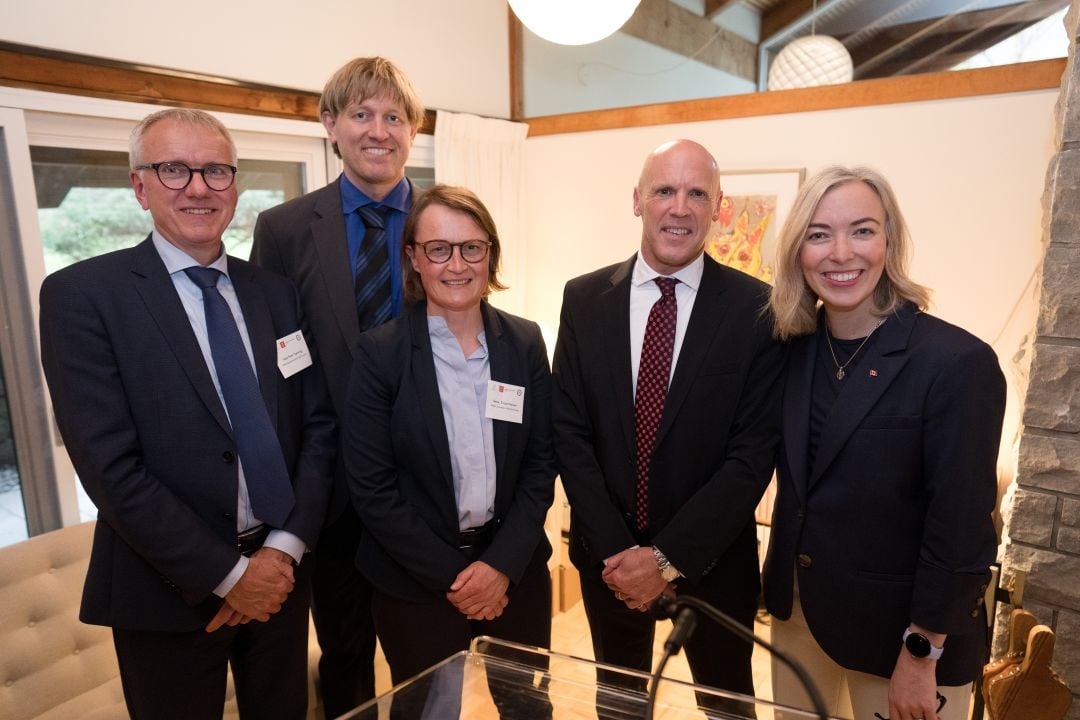 Colin Saravanamuttoo, Executive Director of World Animal Protection Canada, with representatives from the Danish Embassy. From left to right: Niels Peter Nørring; Rune-Christoffer Dragsdahl; Bente Svane Nielsen; Colin; MP Leslie Church.
After several days of conversations, one thing became clear: Canada has a major opportunity to be a global leader in the plant-based space.
Canada has the potential to lead
Canada is already a leading producer and exporter of lentils and peas, giving us a strong foundation in the global plant-based market.
Throughout the week, we heard broad agreement that expanding the plant-based sector could help create jobs, strengthen the domestic food sector, support public health goals and reduce environmental impacts. As more countries invest in plant-based innovation, there’s also growing recognition that Canada risks falling behind if we fail to act.
The opportunity is real, but so are the challenges.
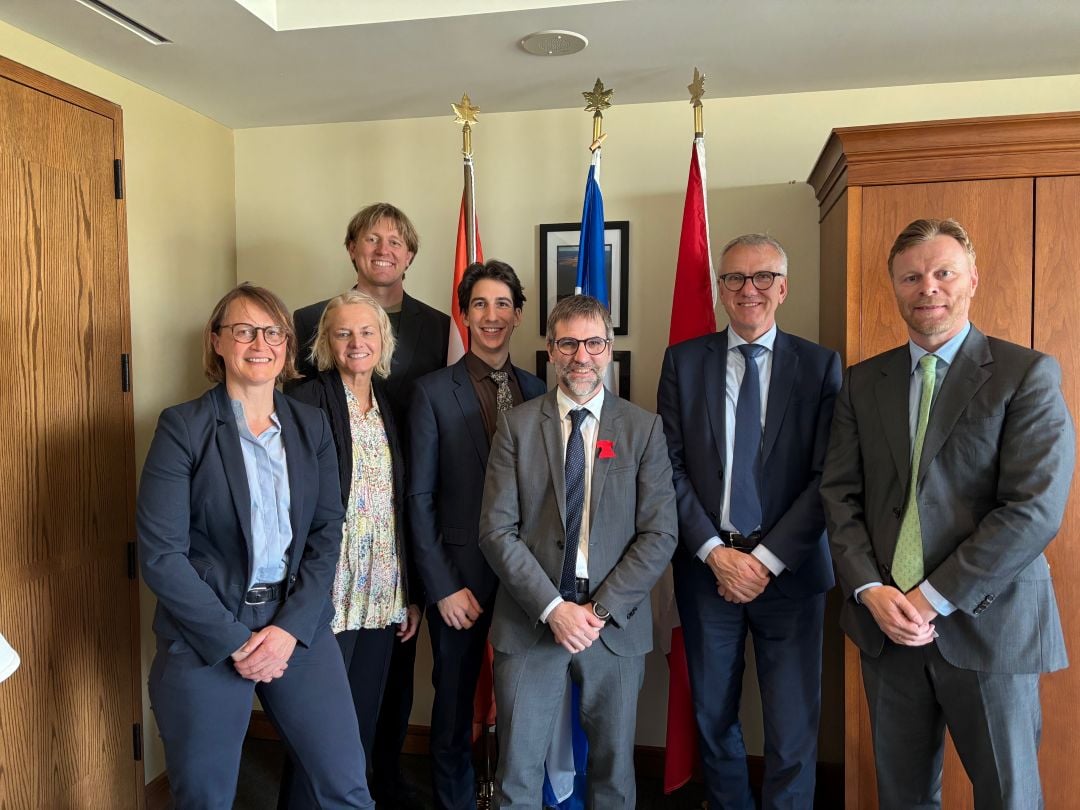 From left to right: Bente; Lynn Kavanagh, Farming Campaign Manager; Rune Christoffer; Isaac Smith, Legislative Affairs Manager; MP Steven Guilbeault; Niels Peter; Jeppe Juul Petersen.
The challenges we kept hearing about
One of the biggest themes throughout the week was the importance of collaboration across the agriculture sector.
Many stakeholders emphasized that farmers are already under financial pressure and any future strategy must support the broader food system rather than create division within it. Denmark’s approach was often referenced as an example of how governments can support innovation while still working alongside farmers and industry.
We also heard concerns about Canada’s supply chain and trade barriers. Our current food system makes moving food products across provincial borders expensive and inefficient, making it harder to build strong domestic processing and manufacturing systems, which are badly needed if we are to strengthen our domestic food supply and build local and regional food security.
Finally, several conversations focused on the complexity of creating national policy in Canada. Unlike Denmark, Canada must navigate federal and provincial responsibilities, meaning any strategy would require coordination across multiple levels of government.
While these challenges are barriers to the implementation of a plant-based strategy in Canada, they merely highlight existing sector issues that Canada should address to expand the potential and capacity of its massive agriculture sector.
Why I’m still optimistic
Despite the challenges, I left Ottawa feeling hopeful.
What stood out most was the willingness from organizations across agriculture, environment, public health and animal welfare to sit at the same table and respectfully discuss solutions. That kind of collaboration is essential if Canada hopes to modernize its food system and remain competitive globally.
A plant-based strategy will not solve every challenge overnight. Building a successful approach will take time, trust, coordination, collaboration and meaningful investment across the food system. But at a moment when Canada faces growing economic, environmental and public health pressures, the case for taking plant-based innovation seriously has never been stronger.
If countries like Denmark can create ambitious, collaborative plans for the future of food, Canada has every reason to believe it can too.