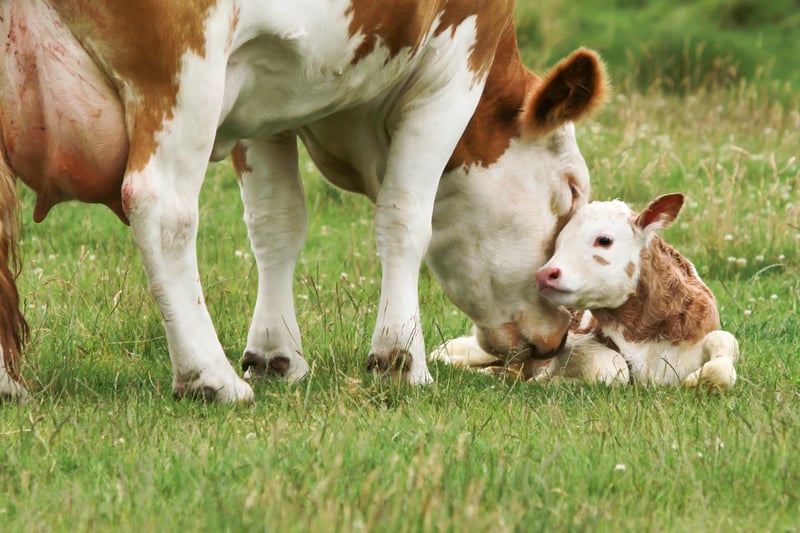
Better farming can do more than produce food. It can protect animals, support healthy ecosystems and improve human health. Explore the farming practices that can help create a more sustainable future for our planet.
The way we farm impacts animal welfare, ecosystems and human health. While factory farming has been a dominant model of food production, more responsible and sustainable practices can create a healthier food system for animals, nature and people. The shift starts with changes to how animals are raised, how natural resources are managed and how food is produced.
Prioritizing animal welfare
A better farming system should meet animals’ physical, behavioural and social needs. This includes:
- Space and movement: Sufficient room to move, rest and avoid overcrowding.
- Natural behaviours: Opportunities to graze, forage, root, nest, perch, dust-bathe and socialize according to their species.
- Outdoor access: Where appropriate, safe access to outdoor areas, fresh air and sunlight.
- Food and water: Continuous access to clean water and nutritionally appropriate food.
- Health and comfort: Clean bedding, adequate ventilation, suitable temperatures, shelter and protection from injury and disease.
- Humane care: Timely veterinary treatment, handling and transport practices that minimize pain, fear and stress.
- Social needs: Appropriate group living for social species and avoidance of unnecessary isolation.
These practices prioritize animal welfare by making humane treatment a core part of farming.
Protecting nature
Farming depends on healthy soil, clean water, biodiversity and functioning ecosystems. Protecting these resources requires putting focus on:
- Healthy soil: Crop rotation, cover crops and reduced tillage can limit erosion, maintain nutrients and strengthen soil health.
- Clean water: Efficient water use and measures to prevent agricultural runoff can protect rivers, lakes and groundwater.
- Biodiversity: Hedgerows, wetlands, native plants and other natural habitats can support insects, birds and other wildlife.
- Fewer harmful chemicals: Reduced reliance on pesticides, herbicides and synthetic fertilizers can limit damage to soil, water and surrounding ecosystems. Beans and lentils in particular, naturally enrich the soil with nitrogen, reducing the need for synthetic fertilizers.
- Protected habitats: Avoiding unnecessary conversion of forests, wetlands and other natural ecosystems can preserve critical habitat.
- Efficient resource use: More efficient management of land, water and other resources can reduce the environmental pressure of food production.
- More plant-based foods: Greater production and availability of plant-based foods can reduce demand for land and water.
These practices reduce the environmental impact of food production while protecting the ecosystems agriculture depends on.
Supporting human health
Farming also influences what people eat, the risks they encounter and the safety of the food supply. A healthier system should:
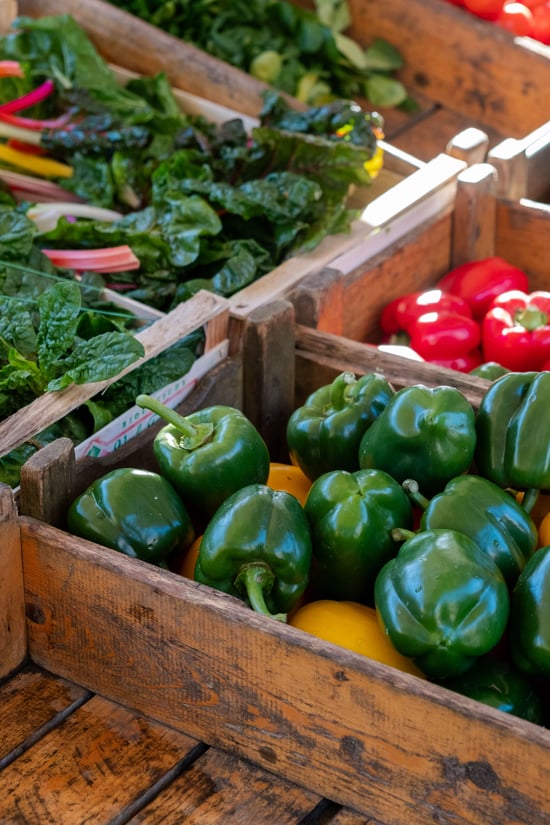
- Prioritize nutritious foods: Greater production of fruits, vegetables, legumes, whole grains and other nutrient-rich foods can support healthier diets, while also contributing to cleaner air quality and lower greenhouse gas emissions.
- Limit chemical exposure: Reducing unnecessary pesticide and agricultural chemical use can lower exposure for farm workers, nearby communities and consumers.
- Address antibiotic resistance: Responsible antibiotic use in agriculture can help preserve the effectiveness of this medicine and reduce the risk of resistance.
- Protect farm workers: Safe working conditions, appropriate protective equipment and access to healthcare can reduce occupational risks.
- Improve access to healthy food: Greater availability and affordability of nutritious foods can make healthier choices more accessible.
- Expand plant-based options: More plant-based foods can support varied and balanced diets.
- Strengthen food safety: Strong standards for animal health, hygiene, handling and processing can reduce the risk of foodborne illness.
These practices support human health by making food production safer and improving access to nutritious foods.
We have the power to change how our food is produced.
Sign our petition to push for a future where animals are treated humanely, nature is protected and healthier choices are within reach for everyone.