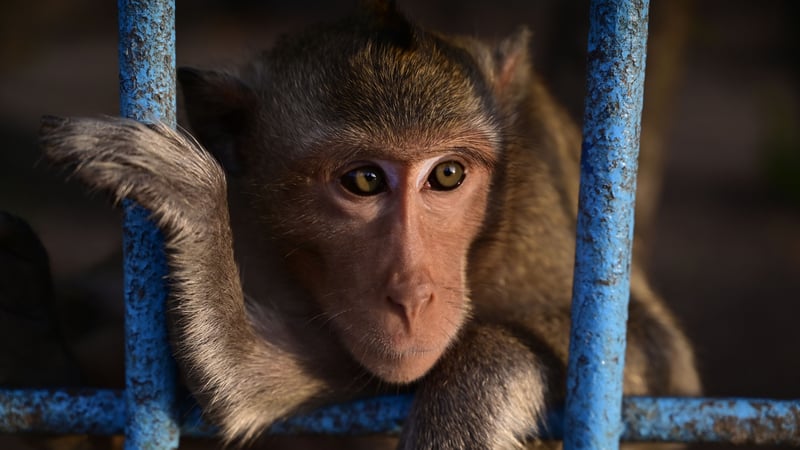
What does it take to rescue an animal?
Blog
Discover the key steps behind an animal rescue, from getting them to safety to supporting their recovery.
Rescuing an animal takes more than just getting them out of danger. It takes time, care and the right people to help them feel safe and recover. Come behind the scenes of animal rescue and find out what it takes to give an animal a second chance at a safe and happy life.
1. Spot the problem
Every rescue starts with understanding what has happened. Before an animal is approached, rescuers need to assess the situation and determine what kind of help is needed. They look for signs of injury, illness or distress, while also checking the surroundings for dangers such as roads, traffic, water or other animals. Keeping a safe distance is important, as frightened animals can react unpredictably.
With a clearer picture of the situation, rescuers can decide on the safest response. Some animals may need urgent medical attention, while others may simply need help getting to a safe location.
Thoroughly assessing the situation and planning the response helps protect both the animal and the people involved.
2. Get the animal to safety
With a plan in place, trained rescuers can carry out the rescue. Depending on the animal and situation, this may involve using carriers, towels, nets or other specialized equipment to safely secure and move them. In more complex cases, several trained professionals may need to work together to carefully remove the animal from where they are trapped or at risk.
Once the animal is secure, they are transported to an appropriate location for care. This could be a veterinary clinic, rehabilitation centre or another facility equipped to meet their needs.
A safe rescue does not end when the animal is out of danger. Getting them safely into the hands of the right professionals is an important part of the journey.
3. Start the recovery process
Once the animal is in a safe place, their recovery can begin. Professionals first determine their immediate needs, which could include treating wounds, managing pain, providing medication, or addressing dehydration and poor nutrition. The animal may also need a quiet environment where they can rest without further stress.
As they recover, professionals monitor their health and behaviour to see how they are responding to care. Some animals may recover within days, while others need longer-term treatment, rehabilitation or specialist support.
Recovery may lead to release back into the wild, or for some animals, it may mean moving to a sanctuary or facility where they can receive lifelong professional care.
Working together to give animals a better life
At World Animal Protection, we work to protect animals from suffering by addressing the practices and systems that put them at risk. While we don’t directly carry out animal rescues, we collaborate with trusted partners and experts who have the experience to provide hands-on support to animals in need.
Depending on the circumstances, this may include supporting rescue efforts, veterinary care and rehabilitation.
Beyond helping individual animals, our work focuses on creating lasting change by raising awareness, influencing policies and working with governments, communities and partners to address the root causes of animal suffering and improve protections for animals worldwide.

Your support helps us show up for animals when they need us most.
Explore how you can take action for animals and help make sure they get the care and protection they deserve.