Global Review 2025
Together, we made a difference for animals in 2025
Because of your generosity, animals around the world had a stronger voice in 2025. Together, we challenged animal suffering, pushed back against factory farming and demanded a better future for captive wildlife.
Your support turned compassion into action and helped drive meaningful change for animals.
Here’s what you made possible.
We celebrated 75 years of moving the world to end animal cruelty and suffering.
Moving the world in numbers: 2025

Around 76 billion animals were raised in factory farms worldwide in 2020. This is a staggering number revealed in our Factory Farming Index, a groundbreaking study that exposes the industry’s scale and its impact on animals, people and the environment.

Our “Investing in Others” partnership program has positively impacted more than 6.1 million farm animals across Southeast Asia, since it started in 2021.

Up to 5,000 wild animals a year, from birds and mammals to reptiles and manatees, can be cared for at the newly revitalised CETAS Benevides rehabilitation centre we support in Brazil.

Over 4,000 passionate supporters wrote to Webjet, voicing concerns about its links to cruel wildlife entertainment, moving the company to join 224 others in signing our wildlife-friendly pledge.

83 elephants in Bali, and many more across Indonesia, will soon be free from cruel rides after the Indonesian government banned elephant riding, following years of advocacy by us and other organisations.

We joined over 3,000 participants at CITES COP in Uzbekistan, working to ensure global agreements recognize that animals are not commodities.

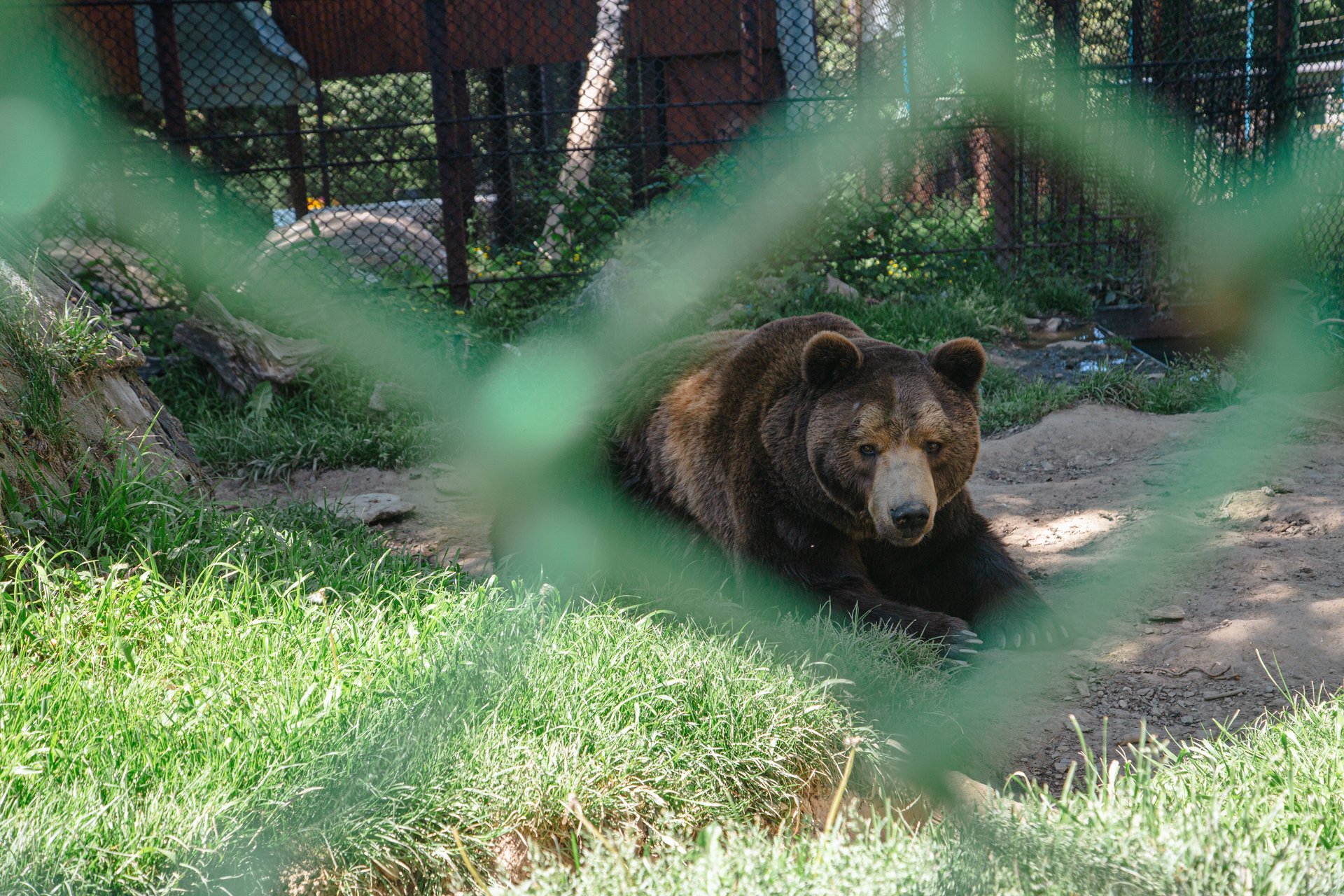
Romania’s Libearty Sanctuary, the world’s largest brown bear sanctuary, celebrated its 20th anniversary, marking two decades of rescuing bears.

A total of 184,977 consumers and 8,468 medical professionals in China have pledged to use wildlife-friendly alternatives for wild animal parts in traditional medicine and health products.
We launched a new partnership supporting the Reteti Elephant Sanctuary, the first community-owned and managed elephant sanctuary in Africa, currently home to 44 orphaned elephants.
Transforming the broken food system
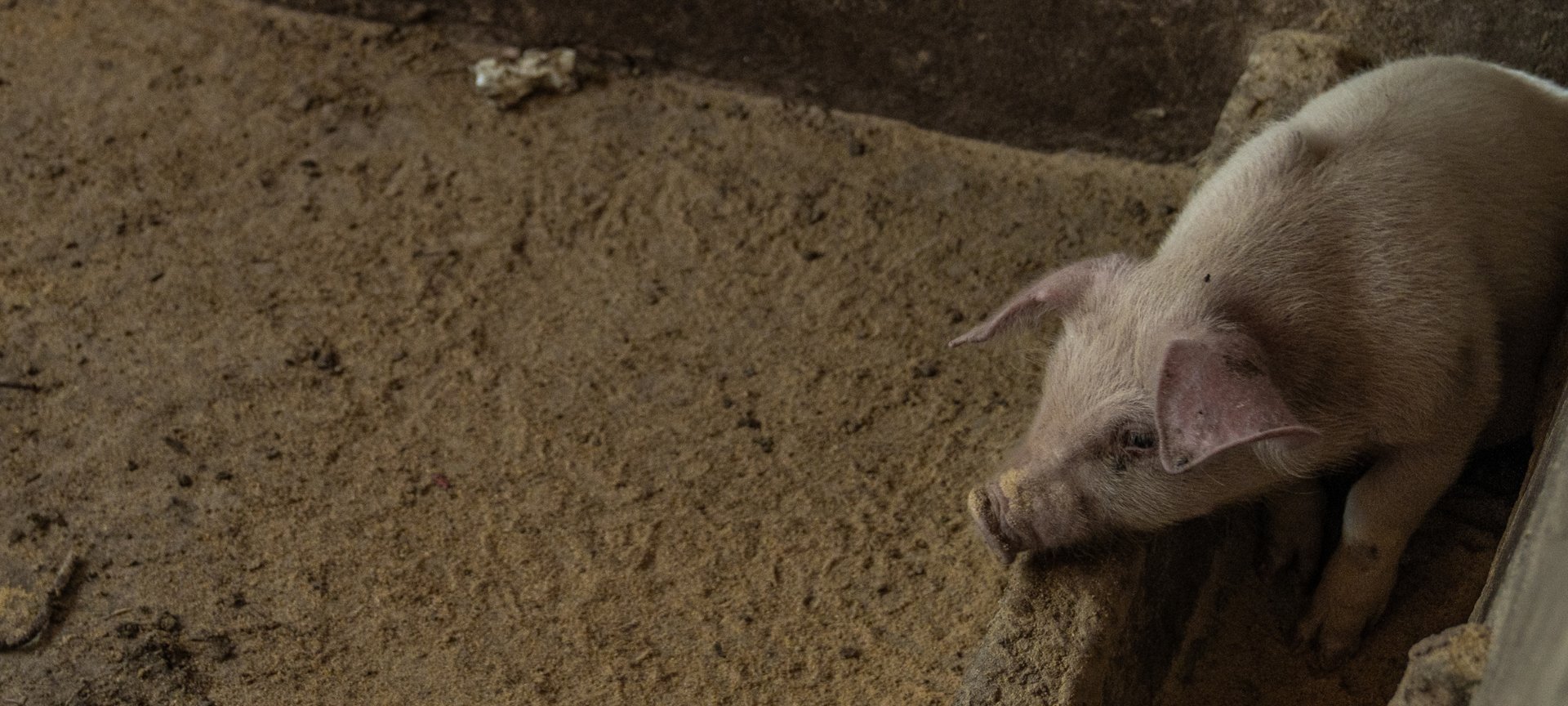
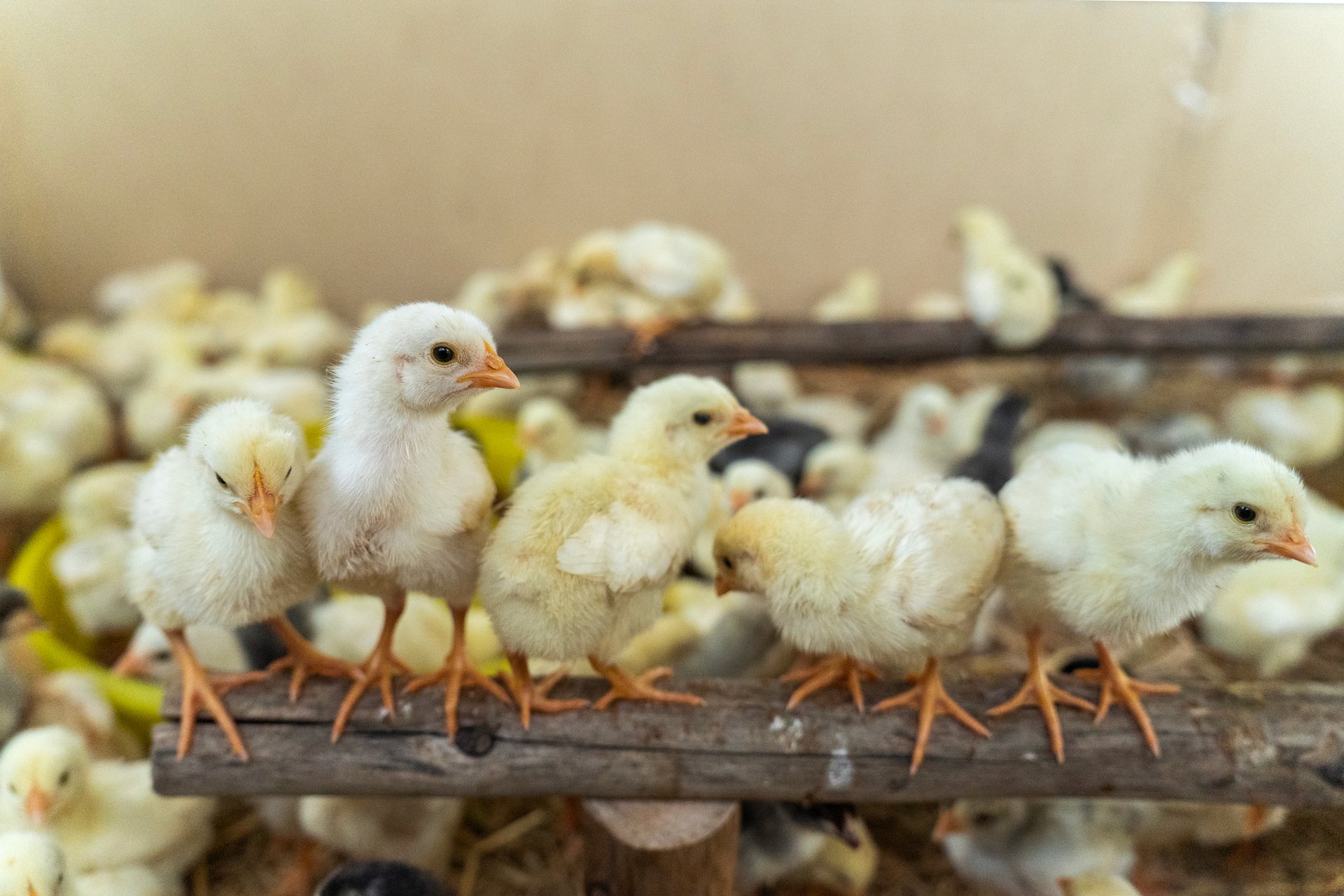
Our current food system is broken. With 76 billion animals raised in factory farms, transported and slaughtered for food each year, it is causing immense suffering for animals, people and the planet. Thanks to our supporters, we are making progress in ending the cruelty of factory farming and transitioning to an equitable, humane and sustainable food system.
Exposing JBS: Avoiding tax while driving destruction
JBS, the largest meat producer in the world, embodies the worst practices of factory farming: animal suffering, deforestation, land grabbing and greenhouse gas emissions. Our report, JBS: Overview of Tax Research Findings, exposed how the company also avoids paying taxes. By not paying its fair share, the company limits the governments’ ability to invest in a transition to more sustainable, humane food systems.
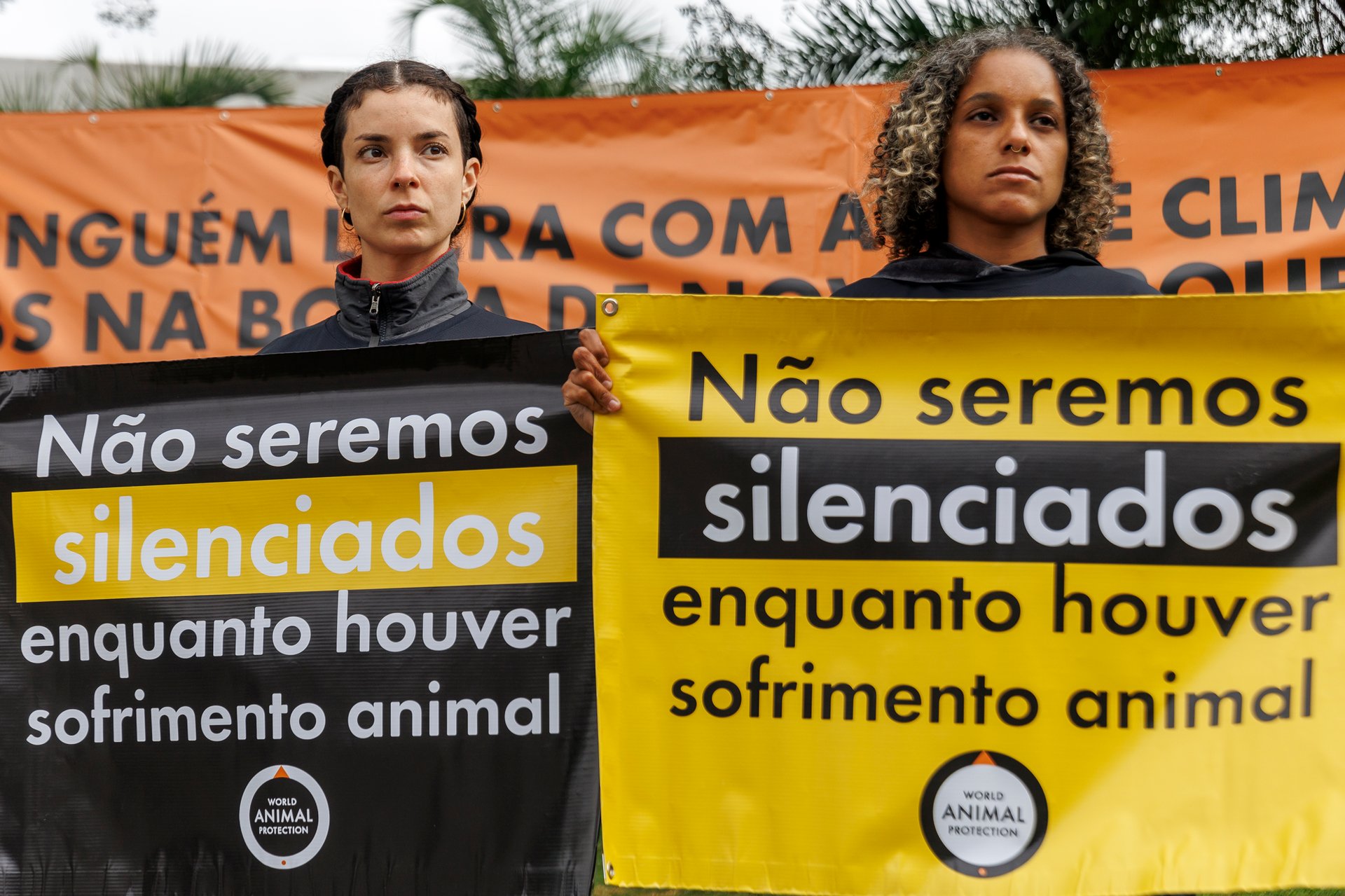
We celebrated the decision of the São Paulo State Court of Justice in Brazil, when it confirmed the legitimacy of our peaceful demonstrations after JBS filed a lawsuit to restrict protests and remove critical content. The judge recognized our actions fell within the constitutional right to freedom of expression and demonstration.
Exposing the true cost of factory farming
We launched a first of its kind global study examining factory farming in 151 countries. Our 'Factory Farming Index' revealed that:
- 76 billion animals were raised in intensive systems worldwide in 2020 .
- 10 factory farmed animals are raised and slaughtered per person each year.
- 29.7% of global greenhouse gas emissions and around 25% of all human-caused water pollution is driven by agriculture.
Putting animals on the agenda at COP30
At COP30, held in Belém, Brazil, we revealed a stark truth about government-funded factory farming expansion in our powerful report, Subsidising Factory Farm Harm. We used this report to engage decision makers and partners to make a compelling case to shift away from harmful subsidies.
Investing in Others
In partnership with Coefficient Giving (formerly Open Philanthropy), we awarded grants to local organizations across Southeast Asia to enable transformation in local food systems. Results included higher welfare chicken farming in the Philippines, the first cage-free egg network in Vietnam and public campaigns in Indonesia that link animal welfare and consumer rights, food safety and responsible food production.
Transforming the world for wildlife
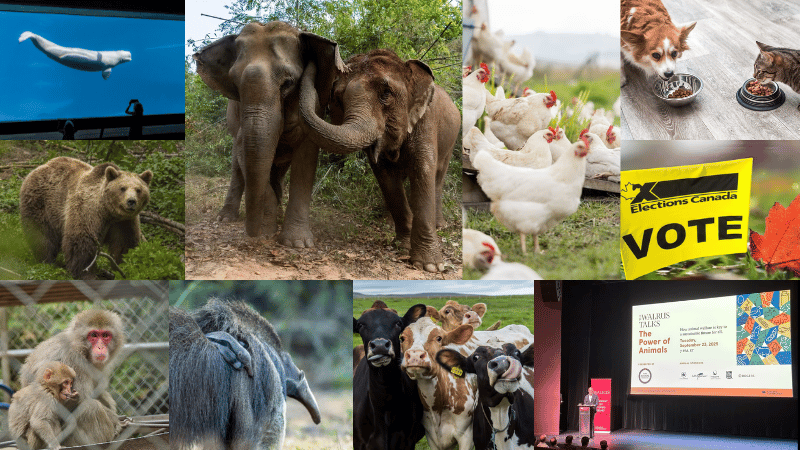
Millions of wild animals are exploited every year. Bred in captivity or captured from the wild, they live a life of suffering in tourism and entertainment, in medicine and as pets or products. Thanks to our supporters, we can ensure the future generations of wild animals do not suffer for profit.
Creating a responsible travel industry
In 2025, 52 travel companies signed up to our wildlife-friendly pledge, adding to a growing global shift away from wildlife entertainment and towards responsible tourism, making the total number of travel companies now 225.
Putting elephants first in Phuket
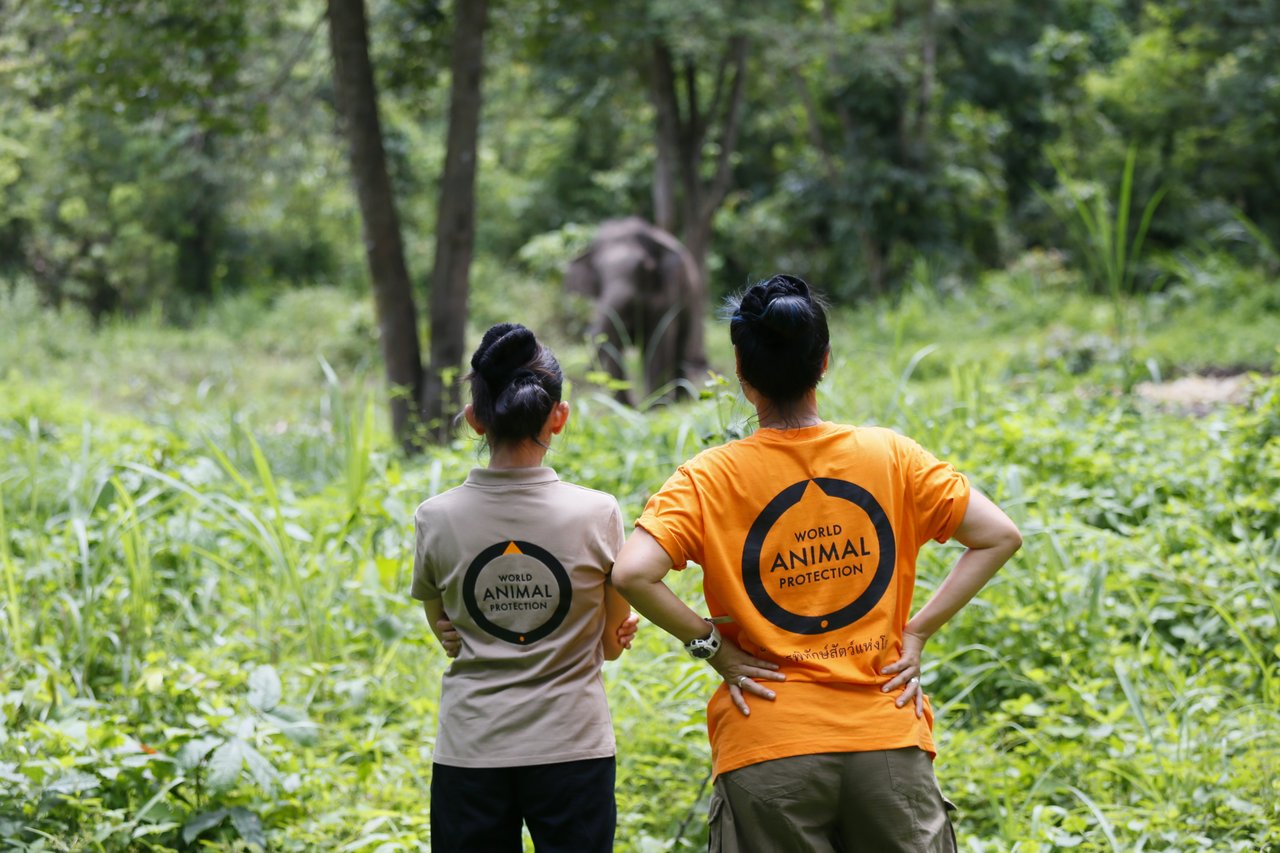
Thanks to our supporters, one of Phuket’s leading elephant tourism destinations, Phuket Elephant Nature Reserve, was transformed into an elephant-friendly venue. The venue adopted higher welfare standards, which means the elephants now live free from direct interaction with visitors. This transition marks an important step forward for ethical tourism in Thailand.
A major win for elephants in Indonesia
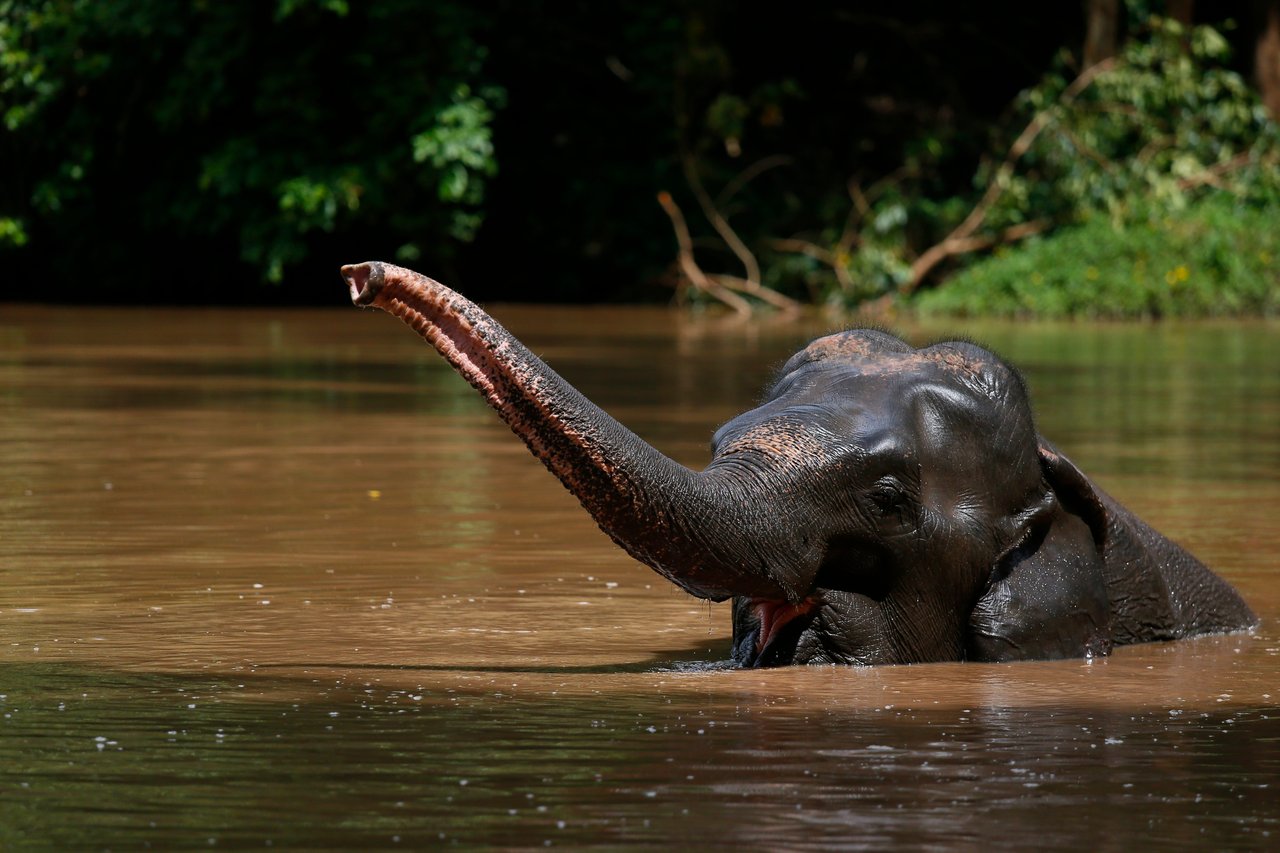
We celebrated a world-leading step by the Indonesian government to end elephant riding at tourism venues, parks and wildlife attractions. The decision means 83 elephants in Bali, and many more across Indonesia, will soon be free from exploitation. This is a major breakthrough in the fight against captive wildlife tourism.
A return to the wild for Reteti’s orphaned elephants
In 2025, we launched a partnership with Reteti Elephant Sanctuary. Reteti is the first community owned and managed elephant sanctuary in Africa, offering orphaned elephants a second chance at life. To bring the Reteti story to life, we produced a new documentary, Return to the herd: the story of Reteti’s young giants. It captures powerful stories documenting the remarkable care provided by the Samburu elephant keepers.
From trade to protection at CITES
At the end of 2025, we participated in the Convention on International Trade in Endangered Species of Wild Fauna and Flora (CITES) COP20 where we launched our new wildlife trade report, The hidden cruelty behind the global wildlife trade.
One of the key highlights was an agreement to protect two-toed sloths from being exploited by the pet trade and tourism industries. Parties voted to include these animals in Appendix II, introducing strict international trade controls.
Amba and Peter: A journey back to freedom
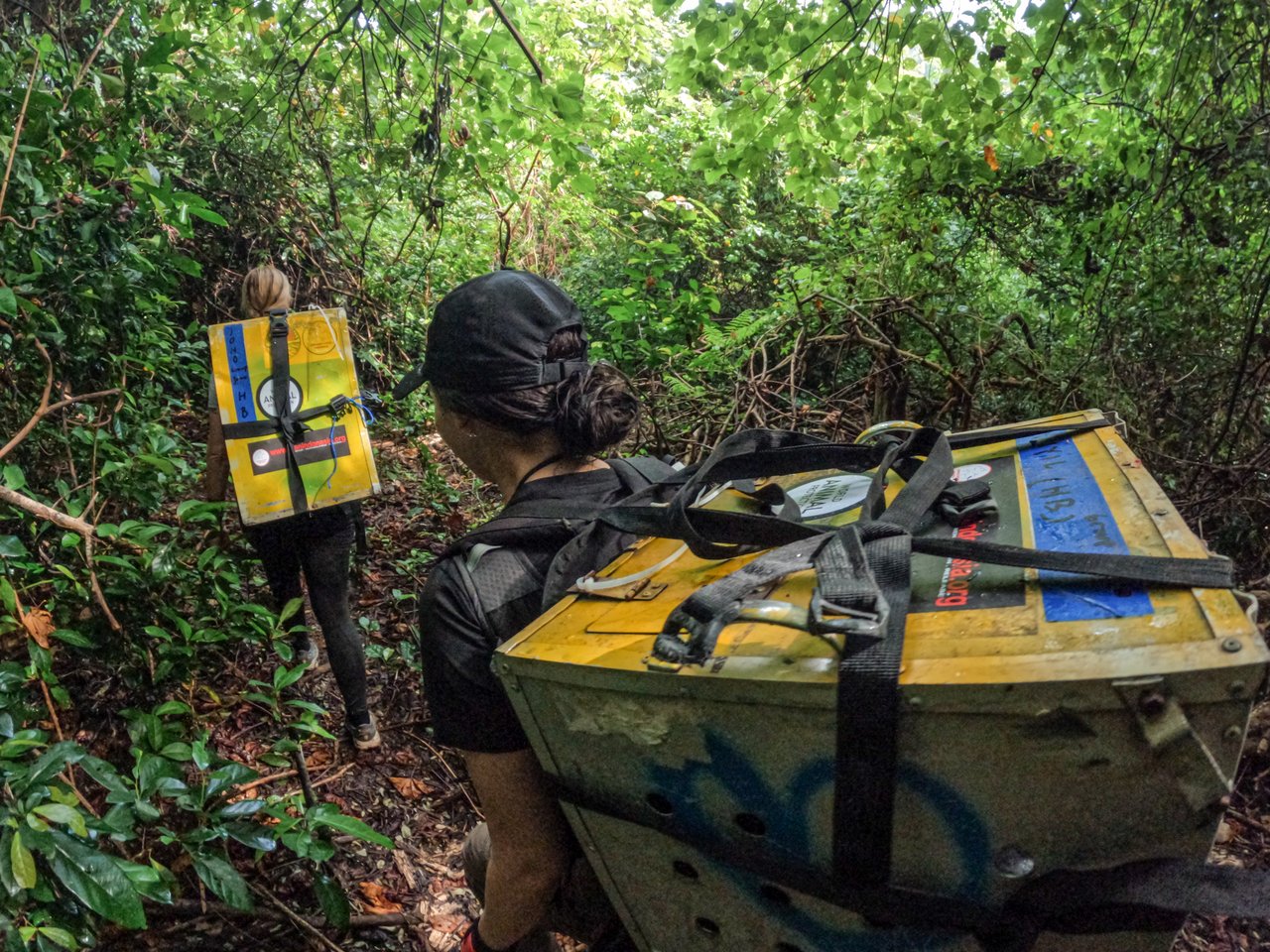
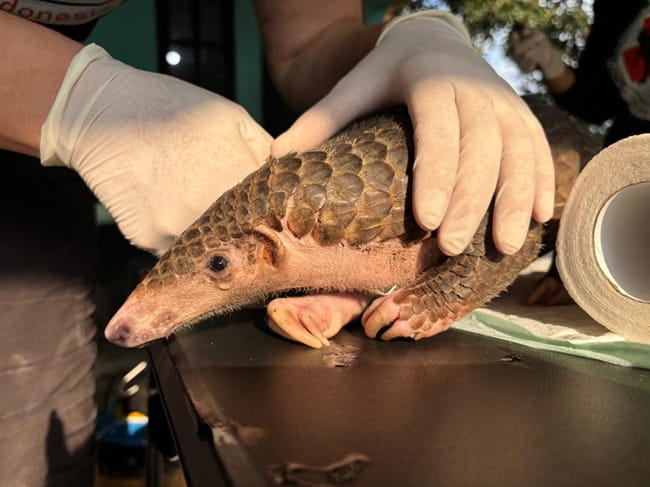
In partnership with the Jakarta Animal Aid Network (JAAN), we tackled the illegal pangolin trade in Indonesia. Thanks to our generous donors, we supported investigations into this cruel and illegal trade. We also supported rescues like the intervention that saved Amba and Peter. Amba was rescued from a pangolin poacher during a seizure of 80kg of pangolin scales. Peter was rescued from an illegal wildlife trader. At the end of 2025, both pangolins were released back into the wild, following their successful rehabilitation at JAAN’s rescue centre.
Ending an era of cruelty for bears
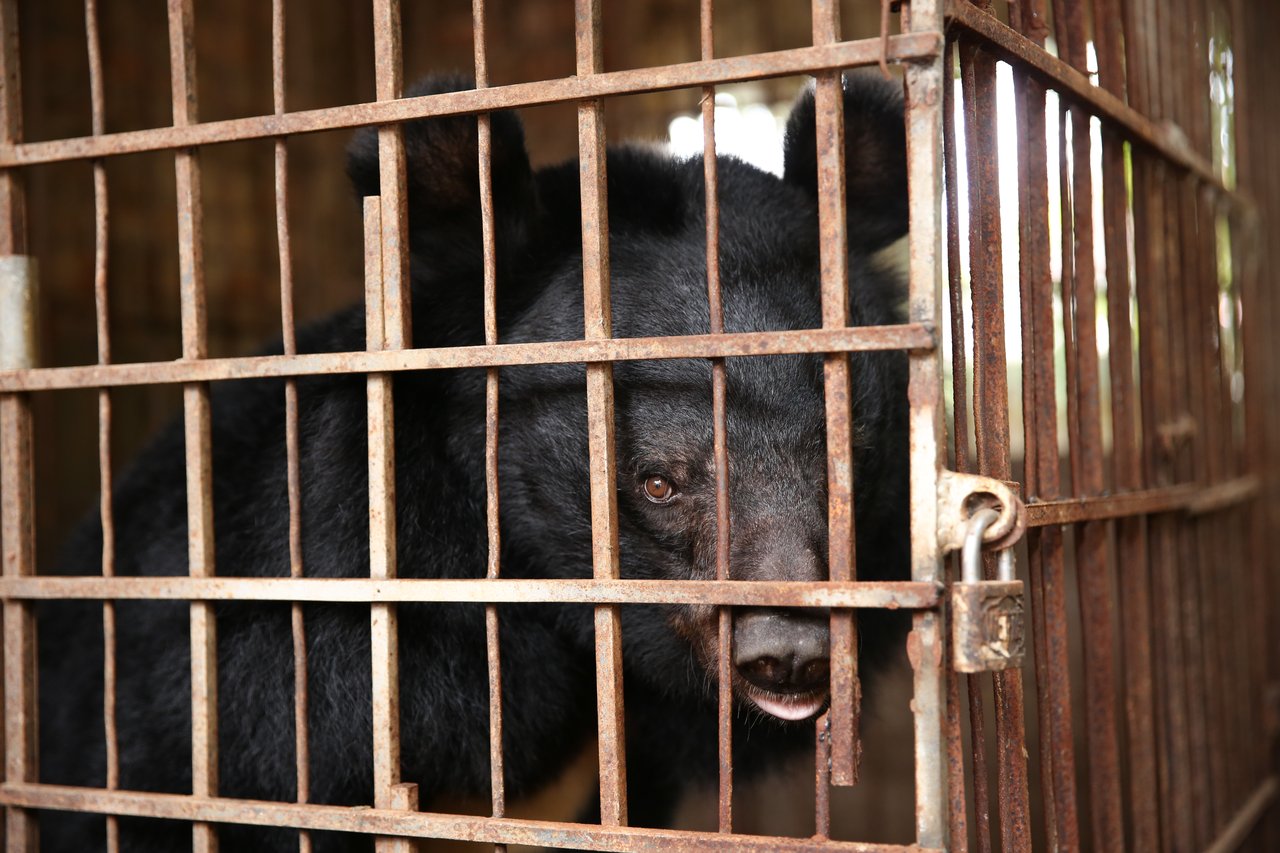
Thanks to our generous supporters, we achieved a historic victory for bears: the bear bile farming industry in Korea has come to an end. Since 2003, we have partnered with Green Korea United to end this cruel industry and improve the welfare of captive bears. The government has now made the ownership, breeding and trade of bears and bear parts illegal.
Remarkable progress has also been made in Vietnam. Bear bile farming was outlawed in 2005, but some illegal production continued. We worked with authorities to identify and microchip these bears, enabling extensive monitoring and enforcement. Unregistered bears and those without microchips were rescued and cared for by organisations including Four Paws, Free the Bears and Animals Asia Foundation. Working alongside authorities and our local partner, Education for Nature Vietnam, we have reduced the bears on bile farms by 96%, leaving just 147 bears remaining.
Wildlife-friendly healing
In 2025, three more Chinese pharmaceutical and healthcare companies signed our pledge to refuse products, medicines and health supplements containing wild animals. These companies, alongside 2,118 doctors and traditional medicine practitioners, and 53,177 consumers, all joined the growing movement to reject the use of wildlife for medicines and other products. A total of 184,977 consumers and 8,468 medical professionals have pledged to use wildlife-friendly alternatives.
Celebrating 20 years of Libearty
Since 2005, we have worked alongside Millions of Friends Association to create and support Romania’s Libearty Sanctuary, the world’s largest brown bear sanctuary. For 20 years, we’ve supported the sanctuary, and today Libearty provides a safe, stimulating environment for over 100 rescued bears.
A safe start for orphaned bears
Following the introduction of a hunting quota for brown bears in Romania, the Libearty bear sanctuary saw a rise in orphaned cubs. They urgently needed a larger enclosure to provide a safe environment for these cubs. With our supporters help, we funded a new, purpose-built enclosure, covering approximately 4,000 square metres. It includes a pool, specialized housing and extra protection for the small defenceless cubs. Now, the cubs can grow strong and live out their lives in the safety at Libearty sanctuary.
A lion’s flight to freedom
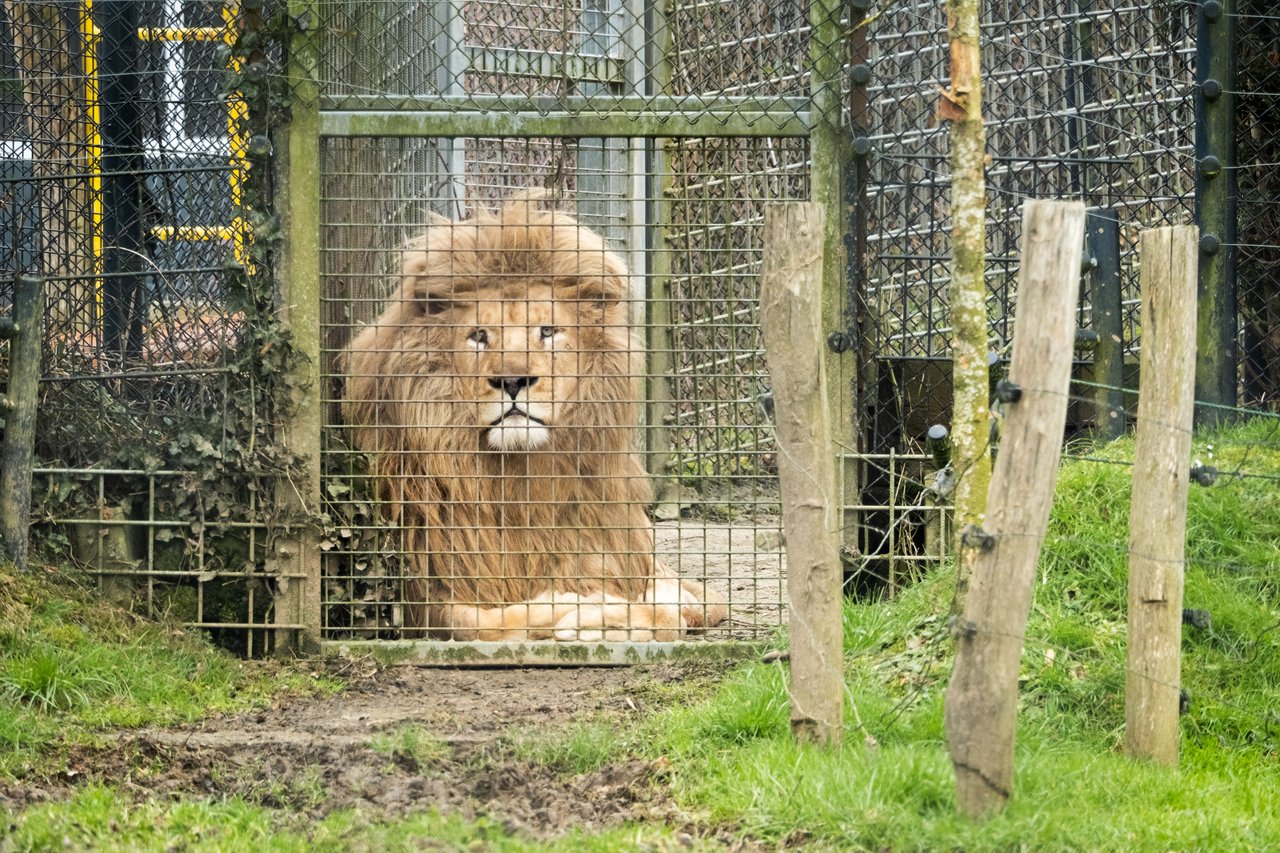
Mannie the lion spent years alone, suffering in a cramped enclosure at a theme park in the Netherlands. Working with our partners, Bite Back, Mondo Verde and The Lions Foundation, we secured a new home at a sanctuary in South Africa. Thanks to our supporters, we were able to cover the costs of Mannie’s transport and build his new enclosure. After years of captivity, he is finally free to explore and recover in his new home in South Africa.
Cecilia and her baby: from tragedy to hope
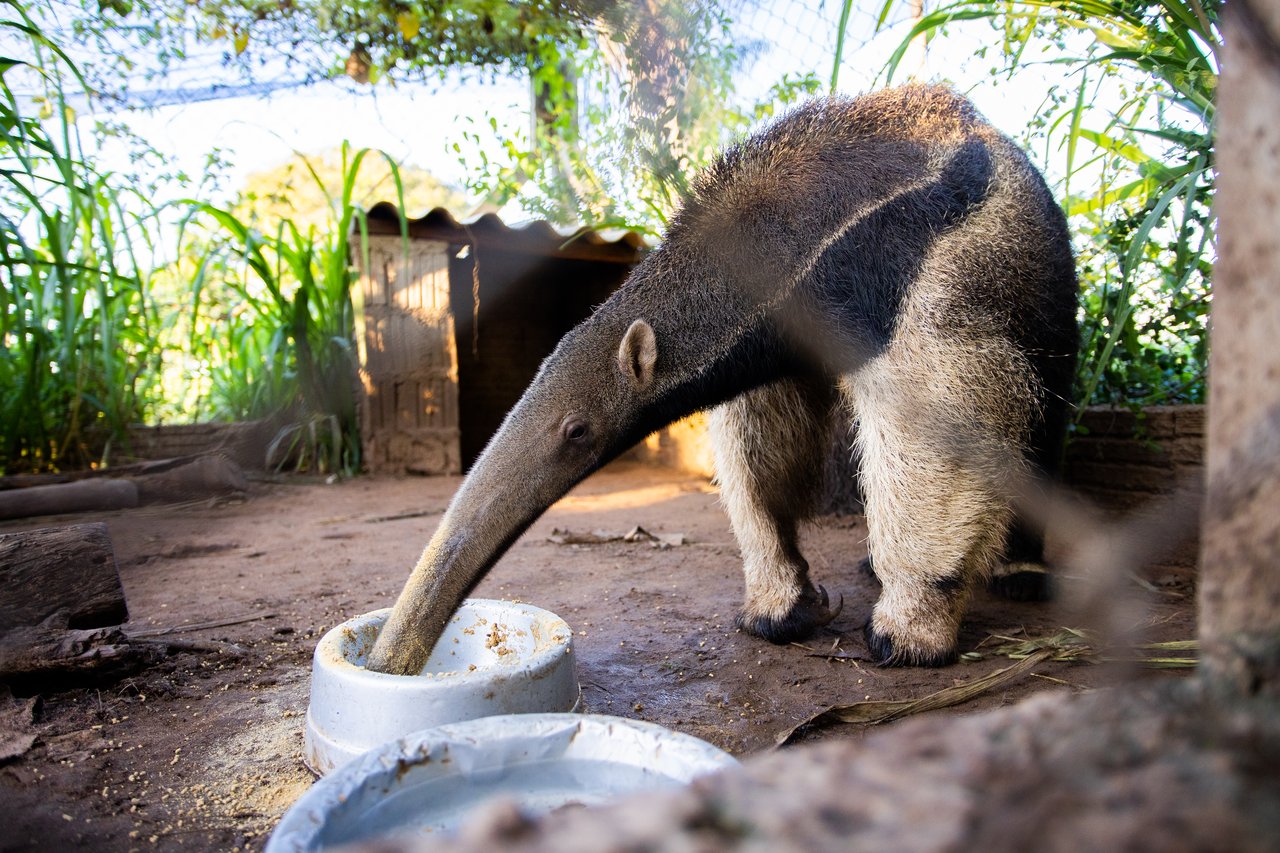
Cecilia, the orphaned giant anteater, was rescued after her mother was killed on the highway. She was successfully rehabilitated by the Tamanduá Institute in Brazil, and, in 2023, she was returned to her home in the Brazilian rainforest. She disappeared for several months and then suddenly reappeared with a newborn baby. Against the backdrop of fires, habitat loss and the constant risk of road kills, Cecilia’s story shows that with the right support, wildlife can recover and thrive.
A path back to the wild for dancing monkeys
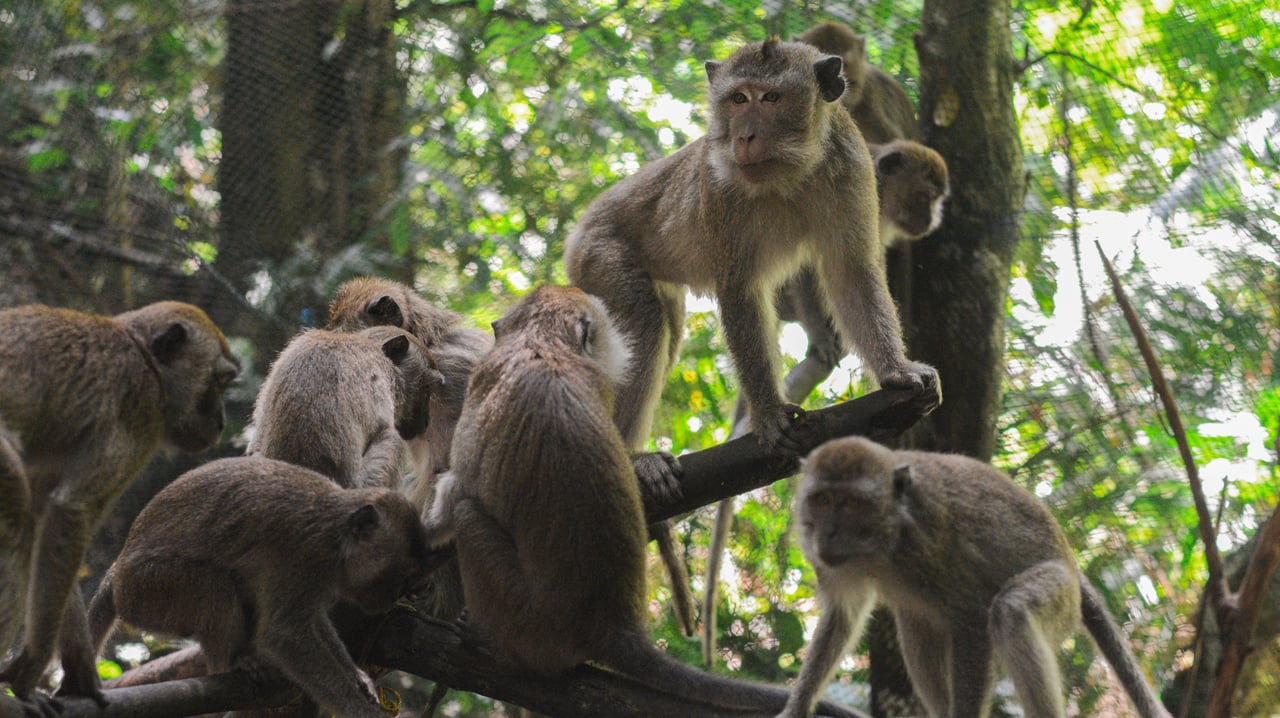
Thanks to our supporters, we aided JAAN in rescuing 31 macaques from a dancing monkey training centre in Indonesia. These monkeys recovered over the past year at JAAN’s rehabilitation centre. In a complex process that included a 20-hour transfer by road and boat, the macaques were released into a nature reserve where they can finally live in peace and safety.
A historic shift in pandemic prevention
In May 2025, countries around the world approved the World Health Organization (WHO) Pandemic Agreement. Our role in this historic agreement started in 2021 with the launch of a campaign targeting the G20 on issues such as climate change and pandemics. By 2025, a legally binding international agreement had been reached. Countries around the world must now take action to tackle the health and welfare drivers that lead to pandemics, including factory farming, habitat destruction and the commercial wildlife trade.
Understanding our figures
The figures included in our Global Review represent the figures of World Animal Protection Canada. To review our annual audited financial statements please visit Annual report and financials.
